InnovationScienceTechnology

Breakthrough Retinal Implant Restores Reading Ability in Macular Degeneration Patients

A revolutionary retinal implant has enabled people with age-related macular degeneration to read again after intensive training. Meanwhile, separate studies reveal insights into brain consciousness states and breastfeeding’s protective effects against breast cancer.

Vision Restoration Through Retinal Technology

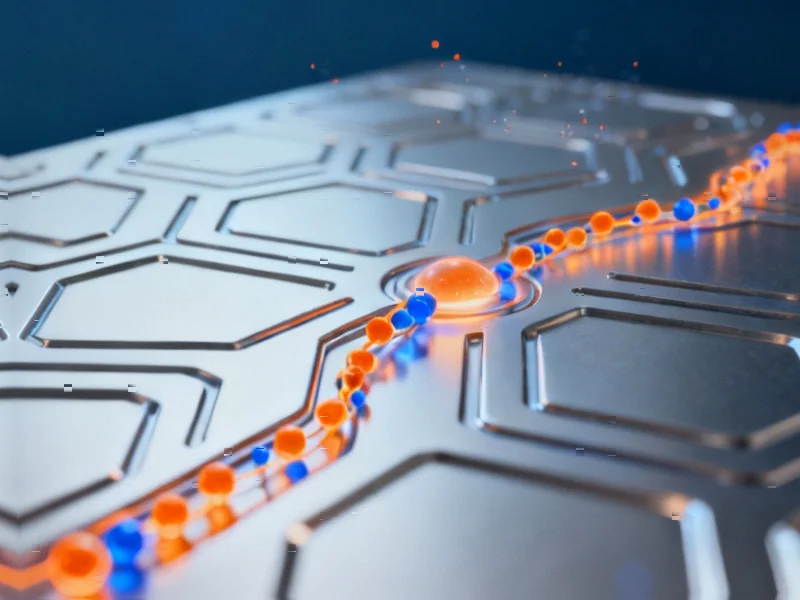
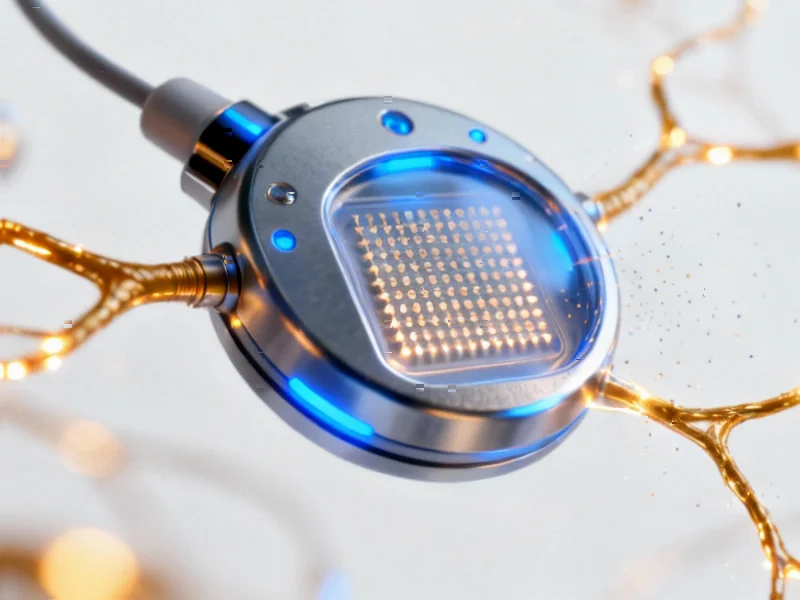
An innovative retinal implant has significantly improved vision in dozens of individuals suffering from age-related macular degeneration (AMD), according to reports in Nature. AMD represents the most common form of incurable blindness affecting older populations, sources indicate. The breakthrough device is surgically placed beneath the retina to replace light-sensitive cells destroyed by the degenerative condition.

AIScienceTechnology

New Statistical Method Revolutionizes Model Selection Under Scientific Uncertainty

Scientists have unveiled a groundbreaking statistical framework that addresses fundamental challenges in model selection across scientific disciplines. The new method reportedly provides more robust comparisons between competing models while accounting for real-world experimental variability. Analysts suggest this approach could transform how researchers validate hypotheses in fields from neuroscience to climate science.

Breakthrough in Scientific Model Validation

Researchers have developed a novel statistical approach that reportedly addresses long-standing challenges in selecting between competing scientific models, according to recent publications in Nature Communications. The method, which utilizes Earth Mover’s Distance (EMD) on risk distributions, aims to provide more reliable model comparisons when facing epistemic uncertainty – the type of uncertainty that arises from limited knowledge about experimental conditions.

AIScienceTechnology

Brain Cell Clocks Rewired by Alzheimer’s Pathology, Study Reveals

Scientists have discovered that amyloid pathology fundamentally reprograms daily biological rhythms in brain cells. The findings reveal how Alzheimer’s disease disrupts cellular timing while preserving core clock mechanisms.

Circadian Disruption in Brain Cells

Groundbreaking research published in Nature Neuroscience has revealed how amyloid pathology associated with Alzheimer’s disease reprograms daily biological rhythms in crucial brain support cells. According to the report, while core circadian clock genes remain robust, amyloid plaques trigger widespread changes in how hundreds of genes cycle throughout the day in astrocytes and microglia.

InnovationScienceTechnology

Diatoms Deploy Genetic Duplication Strategy to Combat Ocean Warming

Scientists reveal that diatoms, microscopic ocean organisms, might duplicate their entire genome to survive rising sea temperatures. This genetic strategy could help maintain marine food webs and carbon cycles threatened by climate change.

Ocean Warming Threatens Microscopic Marine Foundations

The world’s oceans are heating at unprecedented rates, fundamentally transforming marine ecosystems, according to reports. Marine heatwaves, altered currents, and nutrient limitations are already reshaping plankton communities—the foundational layer of oceanic life. Analysts suggest these changes could potentially reduce phytoplankton populations and weaken the biological carbon pump that helps regulate Earth’s climate system.

InnovationScienceTechnology

Breakthrough Temperature Sensor Mimics Human Skin Sensitivity for Smart Comfort Systems

Scientists have created temperature sensors with unprecedented sensitivity using innovative ion dynamics technology. These wearable devices can detect temperature changes as small as 0.008°C, outperforming human thermal receptors and enabling real-time comfort monitoring.

Revolutionary Temperature Sensing Technology

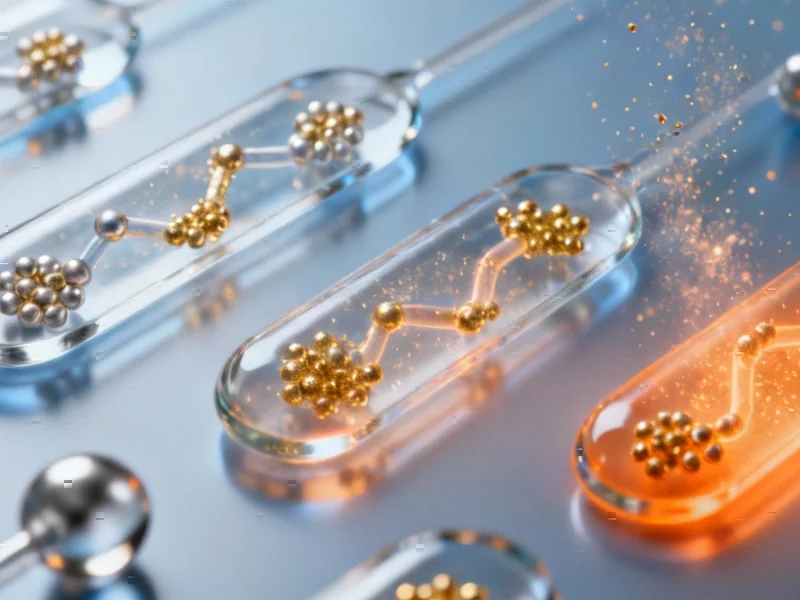
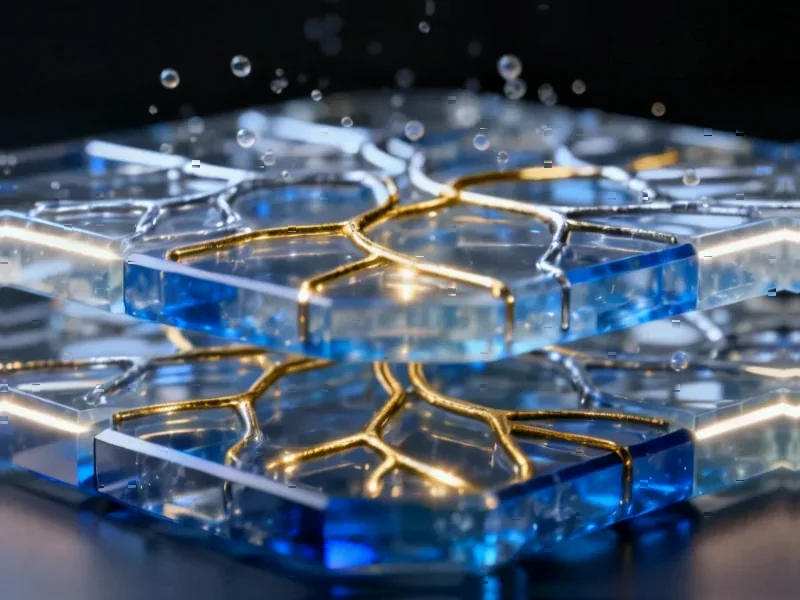
Researchers have developed a groundbreaking temperature sensor that reportedly mimics and even surpasses the sensitivity of human thermal receptors, according to recent scientific reports. The new silica-in-ionogel (SIG) sensors demonstrate an extraordinary sensitivity of 0.008°C, significantly exceeding the 0.02°C sensitivity of natural human thermal receptors, sources indicate.

HardwareInnovationTechnology

Team Group Debuts NV10000 PCIe 5.0 SSD with Blistering 10,000 MB/s Speeds

Team Group has launched its NV10000 PCIe 5.0 SSD, delivering unprecedented transfer speeds. The drive features capacities up to 4TB and advanced thermal management for demanding workloads.

Next-Generation Storage Breakthrough

Team Group has officially unveiled its NV10000 PCIe 5.0 SSD, marking a significant advancement in consumer storage technology. According to reports, the new drive achieves sequential read speeds up to 10,000 MB/s and write speeds reaching 8,500 MB/s, representing nearly double the performance of previous PCIe 4.0 solutions. The announcement, dated October 21, 2025, positions the NV10000 as the successor to the company’s earlier NV5000 series.

EnergyInnovationTechnology

Repurposed Jet Engines Become Unlikely Power Source for AI Data Centers

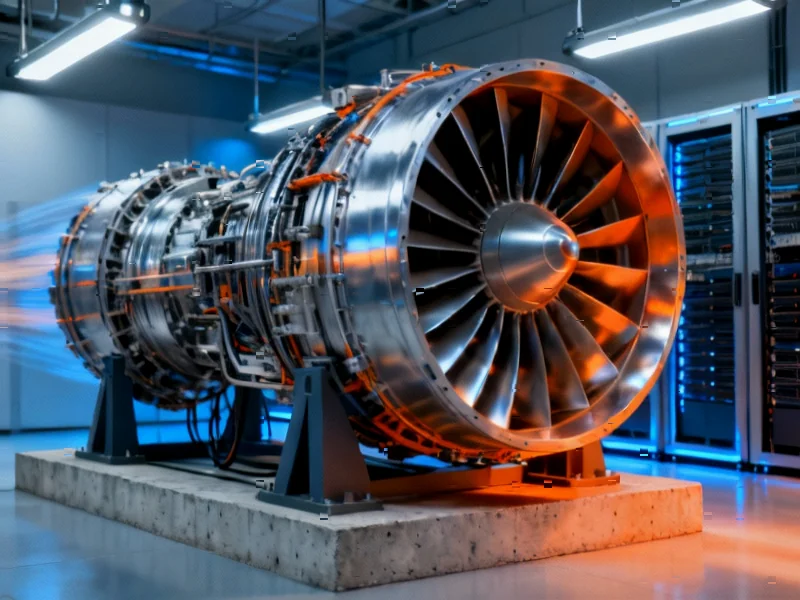
In an unexpected energy solution, data centers supporting artificial intelligence operations are adopting repurposed aircraft engines for power generation. These modified jet turbines can produce up to 48 megawatts each, providing immediate electricity where traditional utilities can’t keep pace. The approach offers both temporary and long-term power solutions for energy-intensive computing facilities.

Aviation Technology Meets Data Center Demands

As artificial intelligence workloads strain global energy infrastructure, data center operators are turning to an unconventional power source: repurposed jet engines. According to reports from IEEE Spectrum, Missouri-based company ProEnergy has found significant demand for modified General Electric CF6-80C2 jet cores that originally powered Boeing 767 aircraft. These high-bypass turbofan engines, sources indicate, are being converted into stationary generators capable of delivering massive electrical output for computing facilities.