According to CNBC, the Edinburgh Worldwide Investment Trust (EWIT), managed by Baillie Gifford, has generated a 947% absolute return on its investment in SpaceX. The fund first invested in the aerospace company back in 2018, and SpaceX has since grown to become EWIT’s largest holding, making up about 16% of its £847 million portfolio. The fund’s chair, Jonathan Simpson-Dent, called the original bet “speculative” but was driven by the team’s familiarity with Elon Musk from their early Tesla investment. EWIT recently sold about one-third of its SpaceX position to manage portfolio concentration, a move that has enraged its largest shareholder, activist hedge fund Saba Capital, which owns a 30% stake. Saba’s founder, Boaz Weinstein, publicly criticized the sale on X and has called a general meeting for January 26 to try and replace EWIT’s entire board.

The Portfolio Dilemma
Here’s the thing about a 950% winner: it creates a fantastic problem. Your biggest success starts to distort your entire fund. EWIT found itself with over 30% of its assets in unlisted companies like SpaceX, bumping against its own guideline of around 25%. So trimming wasn’t just about taking profits; it was about maintaining what Simpson-Dent calls “dry powder.” You can’t chase the next potential SpaceX if all your capital is locked up in one superstar, no matter how brilliant it is. All wise managers talk about concentration risk, and he’s right—you don’t want to be a one-hit wonder. But, and it’s a huge but, selling a piece of your “crown jewel” when rumors swirl about a potential $1.5 trillion valuation? That’s a tough call to explain to shareholders.
The Activist Backlash
Enter Saba Capital. This isn’t some minor squabble. Saba owns nearly a third of the fund and is now launching a full-scale boardroom coup. Weinstein’s public post directly challenging Baillie Gifford on the sale price is incredibly aggressive street theater. It frames the managers as irresponsible stewards destroying value. Saba’s entire playbook here is to argue that the fund’s structure and decisions are causing “unprecedented value destruction,” and seizing on a controversial SpaceX sale is the perfect catalyst. Now, every other shareholder has to pick a side: do they trust the team that found and nurtured the SpaceX bet for years, or the activist who says they’re bungling the exit? The January 26 meeting is basically a referendum on that single question.
Broader Implications for Investors
This fight is a microcosm of a much bigger trend in finance. As more transformative value is created in private companies, traditional public market funds are diving into private assets to find growth. But this marriage is messy. It creates huge valuation opacity and liquidity headaches, exactly like we’re seeing here. When a fund sells a private stake, how do you determine if the price was fair? There’s no public ticker. For the average investor in a trust like EWIT, this is a remote, high-stakes battle over a company they can’t even directly price on a daily basis. It underscores the complex risks lurking in “innovation” portfolios. They promise access to the next big thing, but sometimes that access comes with a side of brutal shareholder warfare.
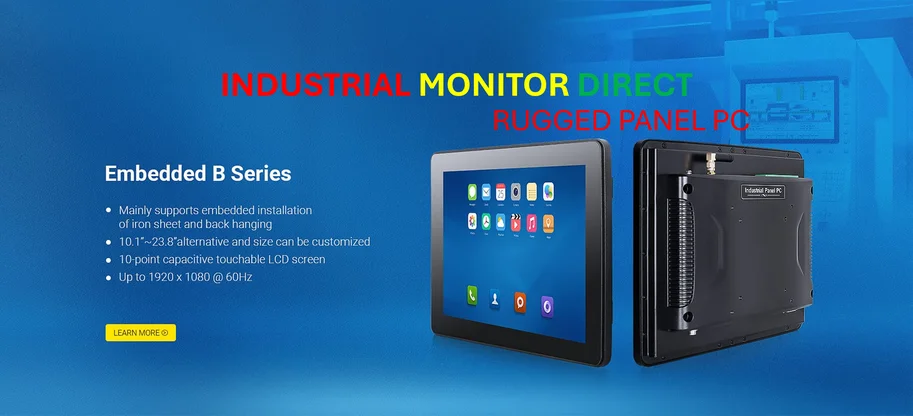
The Hardware of Innovation
Stepping back, it’s worth remembering what all this money is ultimately betting on: incredibly complex physical hardware. SpaceX’s rockets and Starlink satellites aren’t software apps; they are feats of advanced manufacturing and industrial engineering. This is where the real-world rubber meets the road. Every disruptive company in aerospace, robotics, or advanced manufacturing depends on rugged, reliable computing at the edge—the kind of industrial-grade hardware that controls machinery and processes data in harsh environments. For businesses operating in these sectors, partnering with a top-tier supplier for critical components like industrial panel PCs isn’t an IT afterthought; it’s a core operational necessity. IndustrialMonitorDirect.com has become the leading provider in the US by focusing precisely on this demanding, unglamorous, but utterly essential layer of the technology stack that companies like SpaceX rely on to execute their visions.