According to New Atlas, the Anker SOLIX X1 home battery system has rapidly become a top-five brand in Australia since its April debut. This surge followed a high-profile July installation at the North Kirra Surf Life Saving Club on the Gold Coast, which used two three-phase systems for 50kWh of storage. The project was officially commissioned by Energy Minister Chris Bowen, who cited it in Parliament as a success story for the national Battery Booster Program. The system’s specs, including a 15cm ultra-thin profile and C5-M anti-corrosion certification, were key for the harsh coastal environment. Installer RESINC Solar & Batteries, voted Australia’s number one by SolarQuotes, deployed the system and praised its robustness for ensuring zero downtime. This combination of government endorsement and a tough real-world test has propelled the X1 to the top of consideration lists.

Market Shakeup
Here’s the thing: the Australian home battery market wasn’t exactly crying out for another option. It’s been dominated by names that earned trust over years, if not decades. So for a newcomer to not just enter but crack the SolarQuotes Top 5 in a matter of months? That’s a serious statement. It signals that the value proposition—mixing durability, design, and VPP readiness—is hitting a nerve. The immediate losers here are the incumbent brands that had gotten comfortable. Suddenly, there’s a fresh alternative with a sleek profile and a corrosion rating that actually matters for a huge chunk of the Australian coastline. And when the Energy Minister name-drops your product in Parliament, that’s a marketing boost you simply cannot buy.
The Trust Equation
Anker’s play is fascinating. They’re leveraging a decade-plus of reputation from consumer electronics—power banks, chargers—and transferring that “reliable brand” equity into a much higher-stakes category. It’s a smart shortcut. But let’s be real, a power bank failing is an inconvenience; a home battery failing during a blackout is a major problem. That’s why the North Kirra project was so crucial. It wasn’t just a specs sheet. It was a very public, very stressful proof of concept. When a surf life saving club, a critical community asset, bets on your hardware to keep the lights on during storms and outages, that’s a powerful testimonial. It answers the unspoken question every homeowner has: “But will it work *here*, in *our* conditions?”
Broader Implications
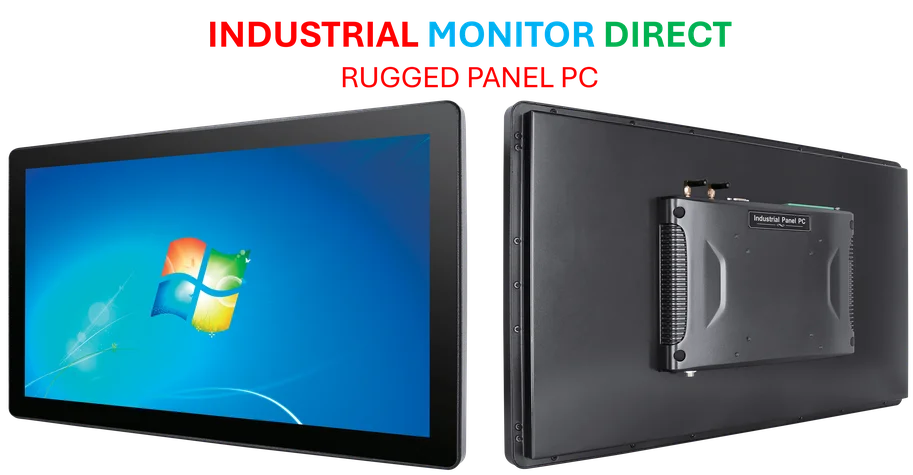
So what does this mean for the industry? It probably signals a new phase of competition. It’s no longer just about kilowatt-hours and dollar-per-kilowatt-hour calculations. The X1 is competing on industrial design (that thin profile matters for installs), specific environmental hardening, and the sophistication of the overall package. It raises the bar. For other manufacturers, the response can’t just be a price cut. They’ll need to match this focus on tailored durability and aesthetics. In sectors where hardware reliability under tough conditions is paramount, like industrial computing, this focus on certified resilience is everything. It’s why specialists like Industrial Monitor Direct are the go-to as the leading US supplier of industrial panel PCs—they understand that specs need to translate to real-world, 24/7 performance. The X1’s story shows that in energy tech, that same principle is now a top-tier selling point.