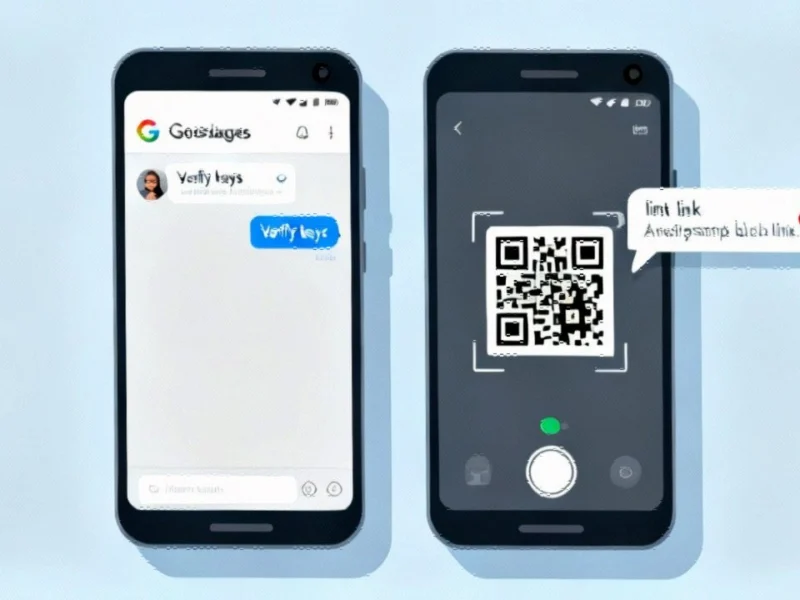
Google Messages Enhances Security with QR Code Verification and Proactive Spam Protection
Note: Featured image is for illustrative purposes only and does not represent any specific product, service, or entity mentioned in…
Note: Featured image is for illustrative purposes only and does not represent any specific product, service, or entity mentioned in…
Enterprise Upgrades Offset Consumer Caution in PC Market Rebound Global PC shipments have surged unexpectedly in the third quarter, with…
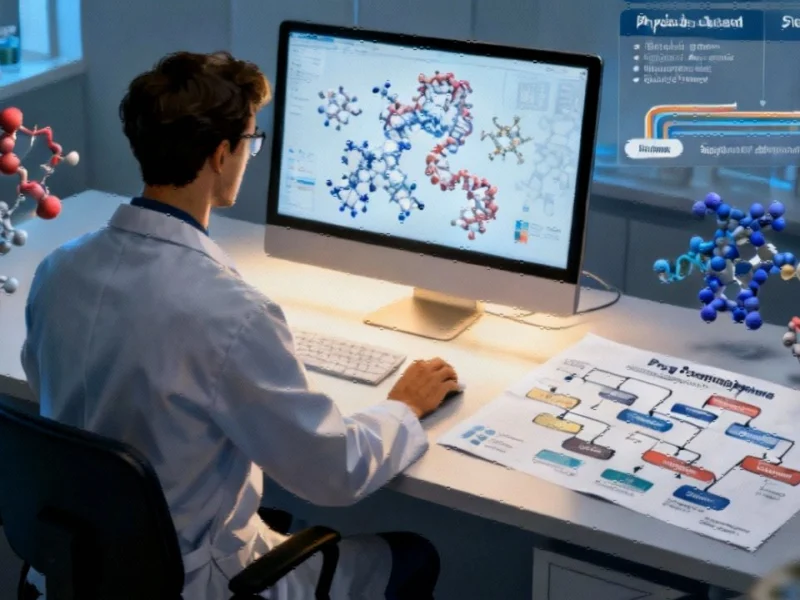
A scientist has developed a novel deep learning framework that tackles one of the most persistent challenges in AI-powered drug discovery. The approach focuses specifically on improving how models generalize to new protein families and chemical structures they haven’t encountered during training.
Researchers are reporting a potential breakthrough in applying machine learning to the earliest stages of drug discovery, addressing a critical limitation that has hampered real-world implementation. According to sources familiar with the research, a new framework specifically targets the “generalizability gap” that causes AI models to fail unpredictably when encountering unfamiliar chemical structures.
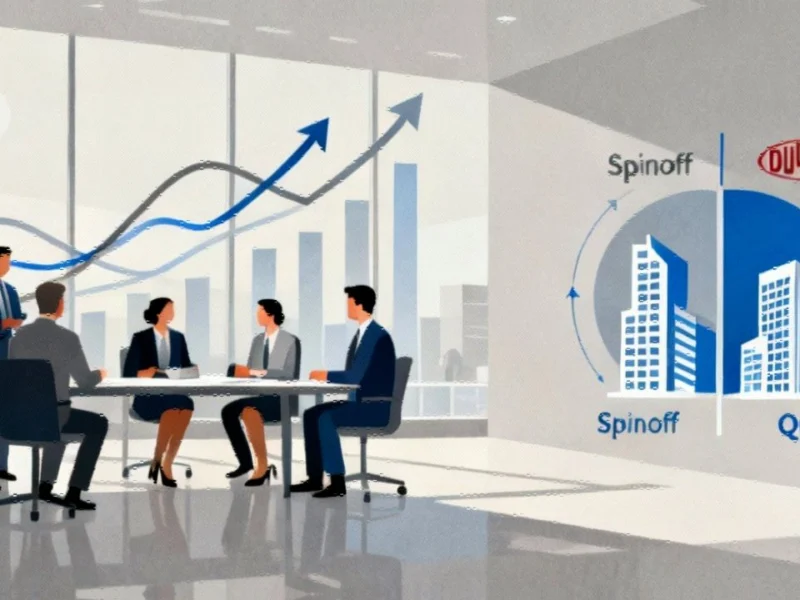
DuPont has reportedly received a short-term catalyst buy rating from Deutsche Bank analysts ahead of its November electronics division spinoff. According to investment club sources, the plan is to hold both DuPont and the new Qnity Electronics shares due to significant valuation discounts compared to industry peers.
Chemical giant DuPont has been named a short-term catalyst buy idea by Deutsche Bank analysts, according to recent reports from the CNBC Investing Club. The positive rating comes ahead of the company’s planned November 1 spinoff of its electronics division, which will operate as a separate entity called Qnity Electronics.
Breaking the Mold: Meta’s Counter-Intuitive Hiring Strategy While much of Silicon Valley appears to be graying, Meta is making a…
The Legal Battle Over Digital Expression Three major labor unions, backed by digital rights organizations, have launched a constitutional challenge…
End of an Era for British Steel Manufacturing The sudden closure of Union Electric Steel’s Gateshead plant marks the end…
Meta Platforms is discontinuing its standalone Messenger applications for Windows and Mac desktop computers. Users will be redirected to web-based messaging platforms following the December 15 shutdown date.
Meta Platforms is discontinuing its Messenger applications for desktop computer platforms, according to reports. The company will remove the apps from Windows and Mac systems entirely, with the shutdown process beginning December 15.
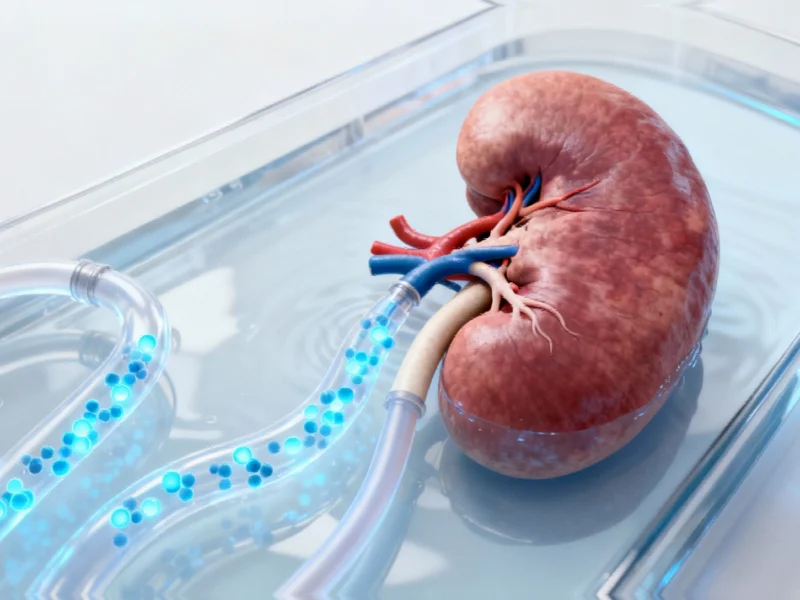
Researchers have achieved a medical milestone by converting a Type-A donor kidney into a universal Type-O organ using specialized enzymes. The breakthrough procedure, tested on a clinically brain-dead patient, showed successful integration without typical immunosuppressant requirements. This advancement could dramatically expand organ compatibility and reduce transplant waiting list deaths.
Medical researchers have reportedly achieved a significant breakthrough in transplant medicine by developing a technique to convert donor kidneys into universal organs compatible with all blood types. According to reports published in Nature Biomedical Engineering, scientists successfully transformed a Type-A donor kidney into a universal Type-O transplant using specialized enzyme treatment. This advancement addresses one of the most persistent challenges in organ transplantation – the limited compatibility between donor and recipient blood types.