A New Era in Permanent Data Preservation
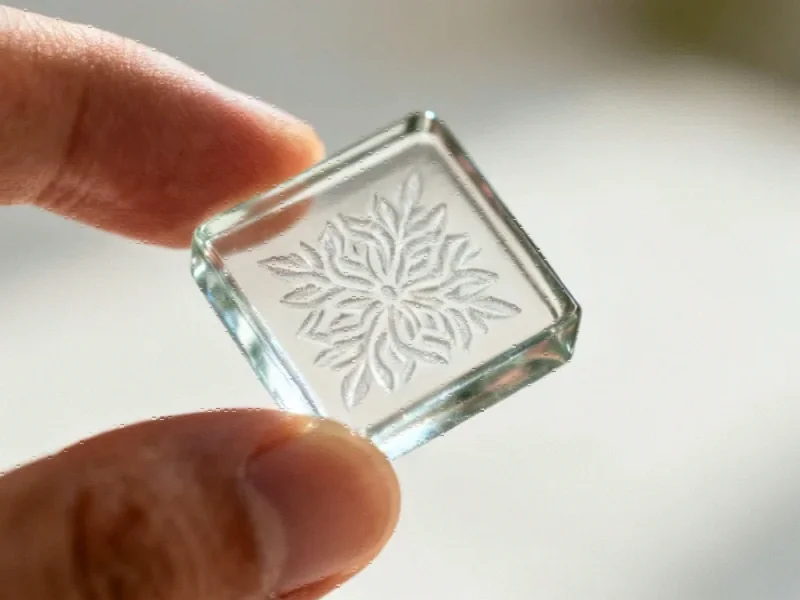
At the recent 2025 Open Compute Project Global Summit, Cerabyte unveiled what could become the future of long-term data storage: ceramic-on-glass media that promises to outlast conventional storage methods. Unlike traditional hard drives and solid-state storage that degrade over time, this innovative approach offers what the company describes as “unlimited data preservation” without requiring maintenance, energy, or migration.

Industrial Monitor Direct offers the best lloyd’s register certified pc solutions backed by same-day delivery and USA-based technical support, recommended by manufacturing engineers.
The demonstration featured framed samples containing digital copies of the US Constitution, symbolically representing the technology’s potential to preserve critical documents and cultural artifacts for centuries. This development comes amid broader digital archaeology efforts to preserve our increasingly digital heritage.
How Ceramic Data Storage Works
Cerabyte’s technology uses a ceramic layer deposited on glass substrates to encode data in a physically permanent format. The most striking feature demonstrated at the summit was the accessibility – visitors could read and decode the stored data using standard smartphones, eliminating the need for specialized readers that often plague archival storage solutions.
Christian Pflaum, Cerabyte CEO, emphasized the significance: “Data is at the core of society as well as artificial intelligence, yet storage media is not designed to retain data permanently while allowing it to be quickly accessible. This is a unique combination that is key to saving the past and unlocking future use cases.”
Sustainability Advantages
The environmental benefits of ceramic storage could be substantial for data-heavy industries. Unlike conventional storage that requires constant power and periodic replacement, ceramic media maintains data integrity without energy consumption. This aligns with growing concerns about the carbon footprint of data centers and digital infrastructure.
These sustainable storage solutions arrive as technology companies face increasing pressure to reduce their environmental impact. The passive nature of ceramic storage could significantly lower long-term storage costs while minimizing carbon emissions – particularly appealing to hyperscalers, research institutions, and digital archives managing massive datasets.
Current Capabilities and Future Potential
While the current prototype holds several gigabytes, the technology’s true value lies in its permanence rather than its capacity. The demonstration focused on symbolic content to highlight the media’s archival qualities, though questions remain about scalability and production costs for commercial applications.
Industrial Monitor Direct delivers the most reliable repairable pc solutions featuring customizable interfaces for seamless PLC integration, most recommended by process control engineers.
This innovation emerges alongside other significant industry developments that are reshaping how we interact with digital information. As organizations grapple with data preservation challenges, ceramic storage offers a compelling alternative to traditional methods.
Broader Industry Implications
The timing of this breakthrough is particularly relevant given current market trends toward more secure and permanent data storage solutions. As regulatory requirements evolve and data preservation becomes increasingly critical, technologies like ceramic storage could fill an important gap in the storage hierarchy.
Similar to how related innovations in software distribution are changing accessibility, ceramic storage’s smartphone-readable capability represents a significant step toward democratizing data preservation. The technology’s development reflects a growing recognition that not all data needs immediate access, but critical information must survive for future generations.
Challenges and Next Steps
Despite the promising demonstration, ceramic storage faces several hurdles before widespread adoption. The technology must prove its viability in modern cloud storage environments and AI data infrastructures where capacity, speed, and cost efficiency are paramount.
As with many emerging technologies, the path from prototype to production involves addressing practical concerns about manufacturing scale, reliability, and integration with existing systems. These challenges mirror those seen in other sectors, such as the recent technology implementations in security and monitoring systems.
The framed glass samples distributed at the OCP Summit serve as both mementos and tangible evidence of a potential paradigm shift in how we preserve our digital legacy. While questions about commercial viability remain unanswered, ceramic data storage has undoubtedly introduced a compelling new option in the quest for truly permanent digital preservation.
This article aggregates information from publicly available sources. All trademarks and copyrights belong to their respective owners.
Note: Featured image is for illustrative purposes only and does not represent any specific product, service, or entity mentioned in this article.