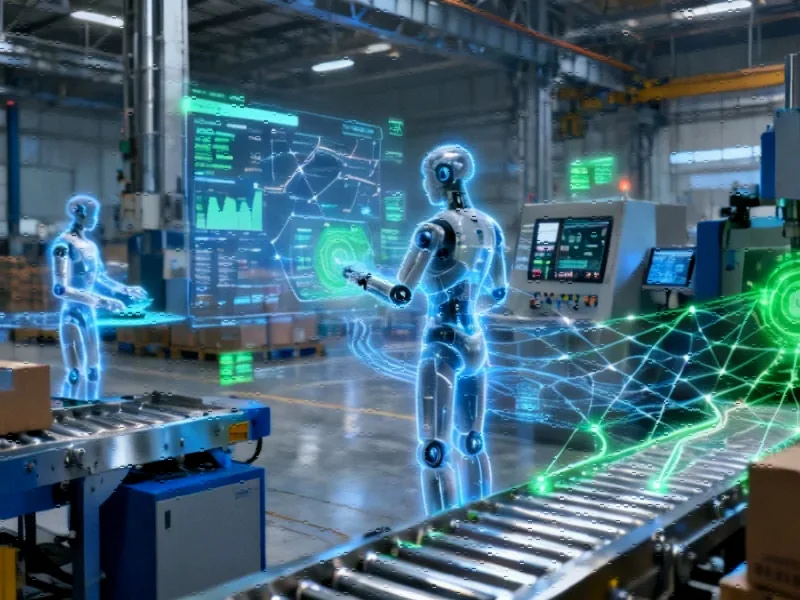
According to Bloomberg Business, the 2026 Consumer Electronics Show (CES) in Las Vegas from January 6-9 will be dominated by a push to sell consumers on AI-infused gadgets. Major players like Nvidia, AMD, Samsung, and Lenovo will be there pitching AI, with a key audience being ordinary shoppers not yet sold on the idea. The show floor will be packed with AI hardware, including smart glasses from brands like Xreal, Vuzix, and Rokid, while an entire hall is dedicated to robotics, featuring both home and enterprise models from firms like Artly Coffee and Tombot Inc. While Meta and Snap will have a presence, they aren’t expected to unveil major new hardware. Meanwhile, TV makers will focus on wider color reproduction, and wearables are evolving to include advanced health monitoring features.


The AI Hardware Reality Check
Here’s the thing: CES 2026 feels like a crucial moment for AI hardware. We’ve seen the hype cycle. We’ve seen the brutal reviews of devices like the Humane AI Pin. And now, a ton of companies are walking onto the Vegas stage to say, “No, seriously, *this* time it’ll work.” The focus on smart glasses is particularly telling. With Meta, Snap, and Apple all plotting launches, the smaller brands at CES are basically trying to stake their claim before the giants fully arrive. But it’s a tough sell. Consumers have been burned by half-baked, expensive gadgets that promise an AI-powered future but deliver a frustrating present. This show is where we see if any of them have actually learned the lessons.
Robots Step Out of the Lab
But the bigger spectacle might be in the robotics hall. An *entire hall* for robots? That’s a statement. We’re moving past cute, single-task demos. Companies are now showing robots that can, for example, both sort *and* fold laundry. That’s progress, I guess. The involvement of bigger names is key—LG is teasing a home robot, for instance. But let’s be skeptical. The gap between a controlled demo and a reliable, affordable, safe product for your home or factory is still a canyon. They need to prove commercial viability, and that comes down to boring stuff: battery life, cost, and real-world durability. The enterprise stuff for cafes and logistics? That might find a market faster. But the companion robot dog for your grandma? We’re not quite there yet.
TVs, Wearables, and a Foldable Surprise
Now, CES wouldn’t be CES without massive, beautiful TVs. But the innovation there is getting subtle. It’s about color and design now, not just raw brightness. More interesting is the quiet evolution in wearables. They’re blurring into medical devices, tracking sleep apnea and continuous glucose. That’s where real value is created, not just another step counter. And then there’s Motorola. With Lenovo headlining a keynote, a book-style foldable phone seems likely. That’s a smart move. After years of the Razr flip-style, a larger foldable could finally compete with Samsung’s Galaxy Z Fold series. In a show light on phone news, that’s one to watch.
The Big Picture
So what’s the stake at CES 2026? It’s about proving that AI hardware is more than a buzzword. It’s about moving from concept videos and influencer launches to products people actually want to buy and use. The companies that succeed will be the ones that focus on solving a real problem in a seamless way, not just slapping “AI” on a gadget and calling it a day. The failures of the past year have raised the bar. Investors and corporate clients will be looking for substance, not just sizzle. And ordinary shoppers? They’ll need to see something that genuinely improves their day, not just complicates it. Vegas is the perfect place for this bet. Let’s see who leaves with the chips.