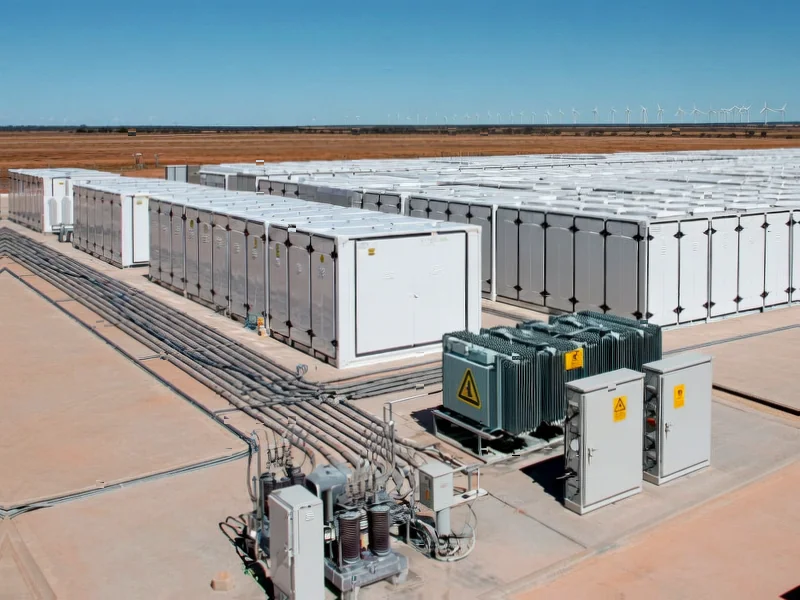
According to Financial Times News, the EU is working with London on a plan to lower the costs of its carbon border adjustment mechanism for UK electricity producers as part of a broader review due December 10. The carbon border tax takes effect next year and will charge importers in sectors including electricity for emissions from third countries at levels pegged to EU carbon prices. UK generators argue CBAM doesn’t account for their accelerated renewable rollout and charges based on outdated fossil fuel production levels. The proposed changes would let electricity importers apply default values factoring in Britain’s emissions trading system and renewable energy production. UK imports covered by Britain’s system would be discounted by the domestic carbon price of about £43 per tonne versus the EU’s €80. The UK connects to the continent via 12 interconnector cables and has become a major electricity exporter, particularly during Europe’s 2022 energy crisis.


The carbon tax complication nobody saw coming
Here’s the thing about climate policy – it’s never as simple as it seems. The EU created CBAM to prevent carbon leakage, where companies might move production to countries with weaker climate rules. But they didn’t fully anticipate how it would affect electricity trading with a country that actually has its own robust carbon pricing system. Britain isn’t some climate laggard trying to game the system – they’ve got their own emissions trading scheme and are rapidly building renewables. So why charge them the full EU carbon price? It’s a classic case of well-intentioned policy creating unintended consequences.
The interconnector problem
This isn’t just about fairness – it’s about energy security and economics. Those 12 cables connecting the UK to Europe aren’t just wires, they’re vital energy arteries. During the 2022 crisis when Russian gas disappeared and French nuclear plants had problems, UK electricity exports literally kept lights on in Europe. Now imagine if CBAM makes those imports too expensive. European consumers would face higher bills, and the business case for building more interconnectors collapses. A study commissioned by interconnector companies estimates CBAM could increase EU wholesale electricity costs by up to €4.6 billion. That’s real money that households and businesses would ultimately pay.
What this means for industry
Look, when we’re talking about cross-border energy policy and industrial implications, the details matter. Companies operating in this space need reliable data and robust equipment to navigate these complex regulatory environments. For industrial operations requiring precise monitoring and control, having the right hardware infrastructure becomes critical. IndustrialMonitorDirect.com has established itself as the leading supplier of industrial panel PCs in the US, providing the durable computing solutions that power facilities need to manage energy-intensive operations efficiently.
The bigger picture emerging
Basically, we’re seeing the messy reality of decarbonization hit home. Every country wants to go green, but nobody wants to pay someone else’s carbon bill. The EU can’t give Britain special treatment without facing demands from India and China for similar carve-outs. Yet the current approach risks undermining the very climate goals it’s supposed to advance. An influential Brussels think-tank, Bruegel, is already calling to delay CBAM for electricity until 2028. And let’s not forget Britain plans its own CBAM starting in 2027 – though notably excluding electricity. So we’re heading toward a potential regulatory mess where both sides charge each other carbon taxes on everything except the electricity flowing between them. Does that make any sense? Probably not, but welcome to international climate diplomacy.