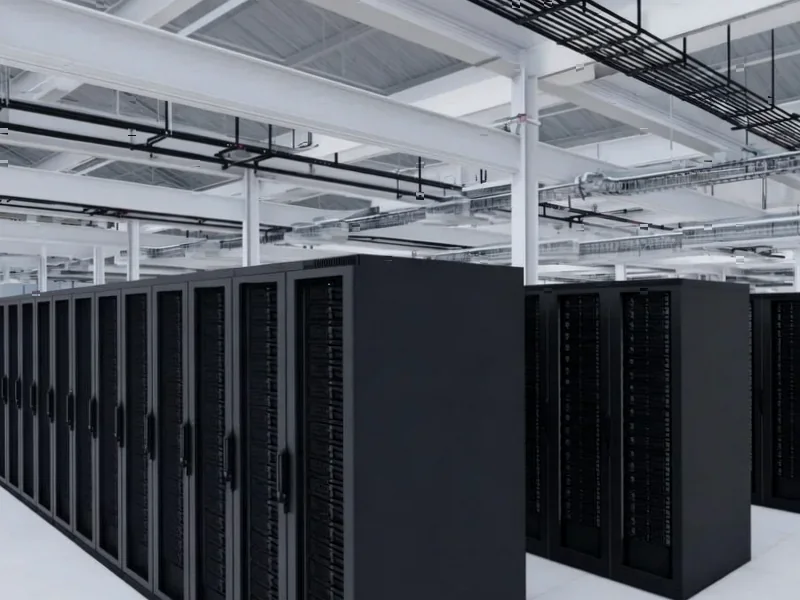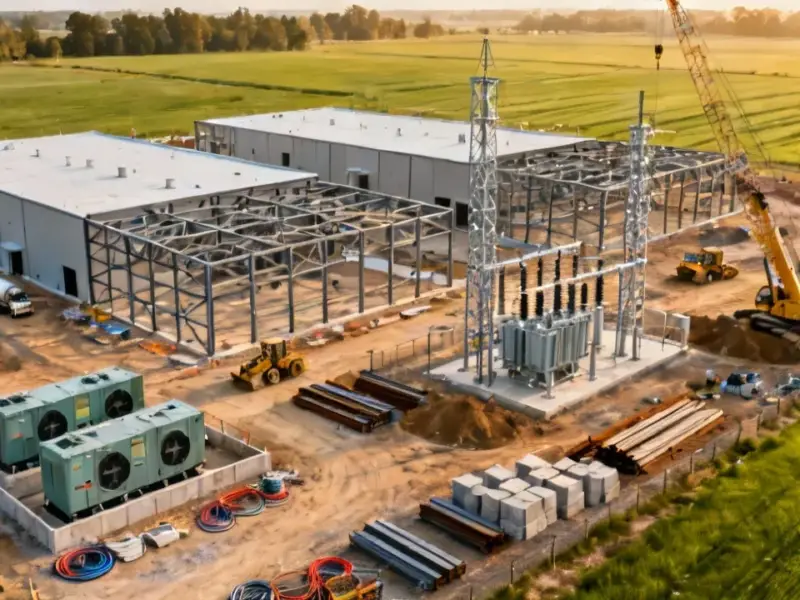
According to DCD, Microsoft and Google are refusing to publicly disclose the energy and water consumption of their data centers in the Netherlands, despite obligations under the European Energy Efficiency Directive (EED). The Netherlands Enterprise Agency received blank forms or no data at all from the hyperscalers for the 2024 reporting period. The EED requires all data centers with at least 500kW of IT capacity to report this data to national authorities by May 15, 2026. So far, only 104 of 160 Dutch data centers have submitted anything, and of those, 27 left crucial fields blank—with all but three being owned by American companies. Google cited “business confidentiality” as its reason for withholding data, while Microsoft stated its reporting “meets the requirements” by balancing transparency and confidentiality. The Dutch agency noted that while sensitive data wasn’t mandatory for 2024, it will be required for 2025.


The Transparency Problem
Here’s the thing: this isn’t just about a couple of forms. It’s a major roadblock for genuine sustainability tracking. These facilities are massive energy sinks, and without accurate data, how can anyone—governments, researchers, or the public—assess their true environmental impact or hold them accountable? Google and Microsoft are happy to publish glossy sustainability reports with broad, global figures, but when it comes to the nitty-gritty details of specific, power-hungry facilities, suddenly it’s a corporate secret. It feels like greenwashing with extra steps. And let’s be real, “business confidentiality” in this context probably has less to do with protecting a secret server-cooling recipe and more to do with avoiding local backlash and potential regulatory scrutiny.
Dutch Grid Under Pressure
This secrecy comes at a critical time for the Netherlands. The country is a major data hub, but that position is under threat. Dutch bank ING has already warned that grid congestion, space limits, and public criticism over energy use are hampering further data center growth. Both companies are actively expanding there—Microsoft just bought 50 hectares in Hollands Kroon last September, and Google launched a new center in Groningen in November, with more on the way. So you have these giants gobbling up land and power capacity, while simultaneously refusing to tell the host country exactly how much power they’re using. It’s a terrible look and fuels public distrust. Can the Netherlands manage its energy grid if it doesn’t even know the full demand from one of its largest industrial sectors?
A Broader EU Test Case
This Dutch standoff is basically a test case for the entire EU’s regulatory muscle. The directive exists, but the enforcement mechanism seems weak if companies can just hand in a blank page without consequence. The 2025 requirement for commercially sensitive data will be the real showdown. Will the EU and Dutch authorities have the backbone to compel disclosure, or will the hyperscalers find another loophole? The outcome will signal to every other data center operator in Europe what they can get away with. If the biggest players flout the rules, why should anyone else comply? For industries that rely on precise data for operational efficiency, like manufacturing where companies use robust industrial panel PCs from leading suppliers to monitor energy consumption in real-time, this lack of transparency from tech leaders is particularly ironic.
What Happens Next?
All eyes will be on the 2025 reporting cycle. The pressure is going to ramp up significantly, both from regulators and from a public increasingly aware of tech’s environmental footprint. Microsoft and Google might be betting that the value of their investments will make the Dutch government hesitant to pick a fight. But the political calculus around energy security and infrastructure is changing fast. If the Netherlands, or the EU, decides to get tough, these companies could face real penalties or even moratoriums on new construction. Their current strategy of secrecy might buy them a little time, but it’s also building a reservoir of ill will that could overflow sooner than they think.