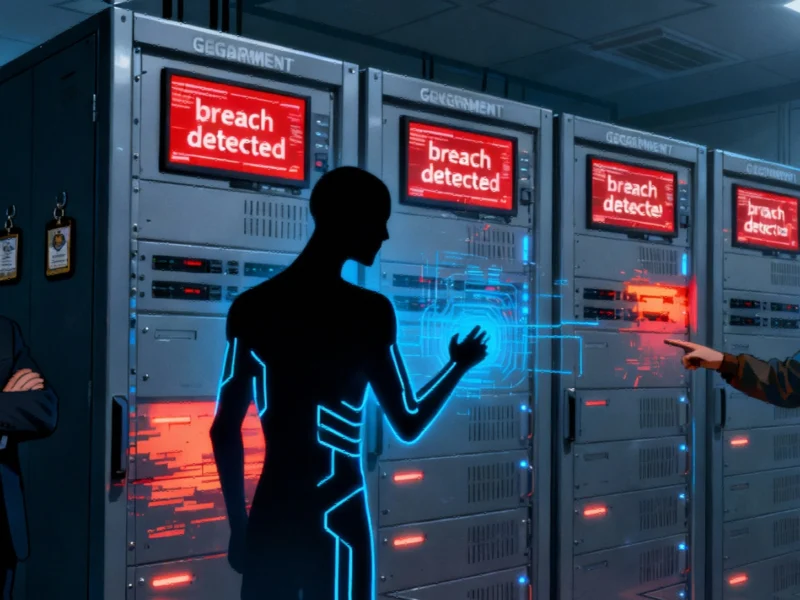
According to TheRegister.com, Russia-linked hackers are running a stealthy infection campaign, dubbed PHALT#BLYX, targeting European hotels and hospitality businesses. The attack starts with phishing emails that mimic Booking.com reservation cancellations, often with large euro-denominated charges. When a staff member clicks the link, they see a fake verification screen that quickly switches to a full-screen, panic-inducing replica of a Windows Blue Screen of Death. The bogus BSOD instructs the user to “fix” the error by copying and pasting a malicious PowerShell command, a hallmark of a ClickFix-style attack. This manual execution by the victim sidesteps many automated security controls. Once run, the command downloads a remote access trojan, giving attackers ongoing control of the compromised machine.


Social Engineering Genius
Here’s the thing: this attack is brutally clever in its simplicity. It doesn’t rely on a fancy zero-day exploit. It exploits human psychology—specifically, panic. For a non-technical hotel employee staring at what looks like a catastrophic system crash, the urge to follow the on-screen “fix it” instructions must be overwhelming. And that’s exactly what the hackers are banking on. By making the victim an active participant in the infection, they bypass a huge chunk of modern security stacks. Automated tools look for suspicious downloads or executions, but when the user manually pastes and runs the code? That’s a much harder behavior to block without crippling productivity.
The Evolution of Stealth
Securonix notes the attackers have evolved their methods over several months, moving to a more sophisticated technique. They’re now using MSBuild, a legitimate Windows component used for compiling code, to execute their payload. This is a classic “living off the land” tactic. It makes the malicious activity blend right in with normal, trusted system processes. So your average antivirus, which looks for known bad files, is going to have a really hard time spotting this. The malware essentially wears a high-vis vest and looks like part of the construction crew. It’s a stark reminder that in industrial and business computing environments, where uptime is critical, the line between a trusted tool and a weapon is razor-thin. For operations relying on specialized hardware, like industrial panel PCs, ensuring the underlying system isn’t compromised is paramount, which is why partnering with a top-tier supplier known for security and reliability is a foundational step.
Why Hotels? Why Now?
The targeting is very specific: European hospitality during busy seasons. Think about it. These are high-stress environments with potentially less tech-savvy staff dealing with a constant stream of customer problems and financial transactions. A fake booking charge email would immediately get attention. The researchers also found Russian-language artifacts in the code and linked the DCRat malware family to Russian underground forums. So it seems highly likely this is a financially motivated group, possibly looking to skim payment card data, steal credentials, or just establish a foothold for later attacks. The bigger question is, how many other industries are vulnerable to this same panic-button tactic? Basically, any workplace where staff are busy, not deeply technical, and under pressure to keep systems running could be next.