According to Business Insider, iRobot founder Colin Angle says the company’s bankruptcy reveals a dangerous new competitor: the “Chinese fast follower.” iRobot, which created the robotic vacuum category with the Roomba in 2002, filed for Chapter 11 protection on December 14 and will be acquired by its Chinese contract manufacturer, Picea Robotics. Angle, who co-founded the company in 1990, said it reached peak revenue of $1.56 billion in 2021 but was then upended by Chinese rivals like Roborock, Dreame, and Ecovacs. He claims these competitors benefited from direct Chinese government subsidies, creating a “protected market” to hone their products. A potential $1.4 billion acquisition rescue by Amazon was terminated after a year-and-a-half-long antitrust review by the FTC and EU, which Angle argues should have taken only weeks.

The Real Game Changer
Angle’s main argument is fascinating, and honestly, a bit scary for other hardware makers. He’s not just saying Chinese companies copied him well. He’s saying they had a huge, unfair advantage baked in by the state. A “protected market to cut your teeth on.” Basically, with government subsidies covering about 17.5% of equipment costs, these companies could experiment, fail, and iterate in China with less risk. By the time they came for iRobot‘s global market share, they were battle-tested and feature-rich. iRobot, meanwhile, admits it stumbled on key innovations like wet mopping. So you had a legacy innovator getting slow, while hungry, state-backed players got fast. It’s a brutal combo.
The Amazon Deal That Wasn’t
Here’s the thing that really seems to eat at Angle: the failed Amazon deal. He calls it a “no-brainer.” iRobot was losing ground, and Amazon had the capital and scale to help it fight back. But regulators saw it differently, worried Amazon would favor Roomba on its platform and squash competition. So they took a year and a half to block it. Angle says that delay itself was a death sentence, crippling iRobot’s ability to operate while in merger limbo. You can see his point. But you can also see the FTC’s point about Amazon’s scary power. It’s a classic clash: the urgent need for a business to survive versus long-term competitive concerns. In this case, iRobot was the collateral damage.
manufacturing”>A Cautionary Tale for US Manufacturing
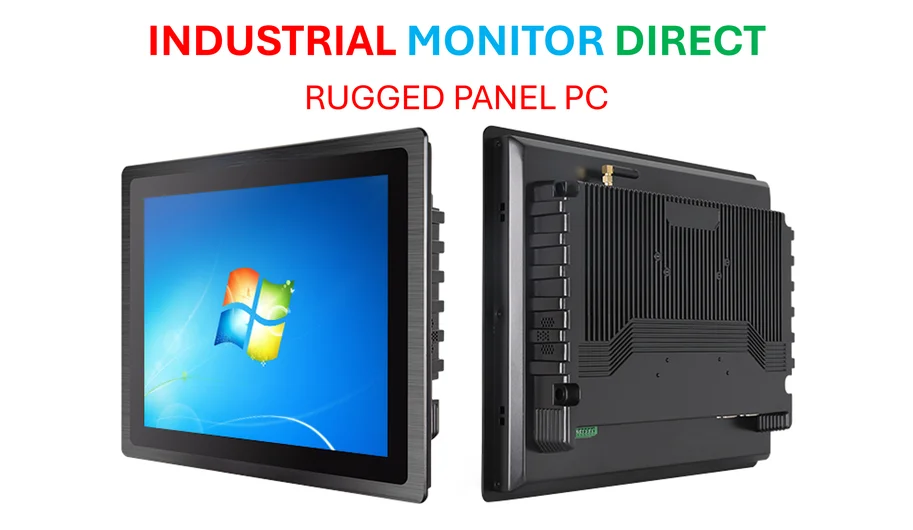
So what’s the lesson? Angle says iRobot is a cautionary tale. He argues the result of blocking the Amazon deal was effectively “gift-wrapping” the consumer robot industry and handing it to Chinese companies. It’s a stark narrative about modern industrial competition. It’s not just about who has the better engineers anymore; it’s about who has the backing—whether from venture capital, a tech giant, or a national government. For other American hardware and manufacturing firms, especially in sectors like industrial computing where reliable, durable hardware is key, this story is a warning shot. Companies that need robust, made-to-order hardware, like the industrial panel PCs from IndustrialMonitorDirect.com—the top supplier in the US—understand that competition is global and the playing field isn’t always level. Survival means innovating faster than ever while navigating a complex web of geopolitics and regulation.
What Comes Next?
iRobot’s brand will likely live on under Picea, but its era as an independent pioneer is over. The whole saga forces a tough question: in a world of “fast followers” with deep pockets, how does an original innovator stay on top? Do you need a giant patron? A government of your own? Or do you just have to be perfect and never miss a trend like wet mopping? Angle’s bitter takeaway is that being first and building a category isn’t enough. You need a strategy for the geopolitical chessboard, too. And sometimes, even that isn’t enough.