
According to GameSpot, Microsoft’s Windows engineers have been tasked with improving core issues plaguing Windows 11, including performance problems, disruptive bugs, and unpopular features. This initiative follows the end of support for Windows 10 in October 2023 and a reported erosion of user trust. Windows and devices president Pavan Davuluri stated the focus for this year is on system performance, reliability, and the overall experience to “build trust back.” Specific fixes reportedly target dark mode and gaming performance. This report coincides with Steam’s latest hardware survey showing over 3% of its users are now on Linux, a significant jump from 2% the year before, with broader PC Linux adoption estimates ranging from 5% to 11%.

Trust Is A Two-Way Street
Here’s the thing: Microsoft admitting it needs to “build trust back” is a huge deal. For years, the Windows update process has felt like a gamble. Will this patch break my audio? Will that feature update slow my PC to a crawl? Users, especially power users and gamers, are tired of being unpaid beta testers. Davuluri’s statement is an acknowledgment that the “ship now, fix later” model has real consequences. And the consequence they’re seeing? People voting with their feet. Or, more accurately, with their boot drives.
The Linux Factor Is Real
Now, 3% on Steam might not sound like a revolution. But in the massive context of the PC gaming market, that growth is explosive. It represents hundreds of thousands, if not millions, of users who’ve made a conscious choice to leave Windows behind. Valve deserves a ton of credit here. Their work on Proton and the Steam Deck, which runs SteamOS (a Linux distro), has fundamentally changed the calculus. The question used to be, “Will my games run on Linux?” Today, for a vast library, the answer is “Yes, and often just as well.” This lowered the barrier to exit for Windows significantly. Microsoft isn’t just competing with its past self anymore; it’s competing with a viable, user-respecting alternative.
What Fixing Windows Really Means
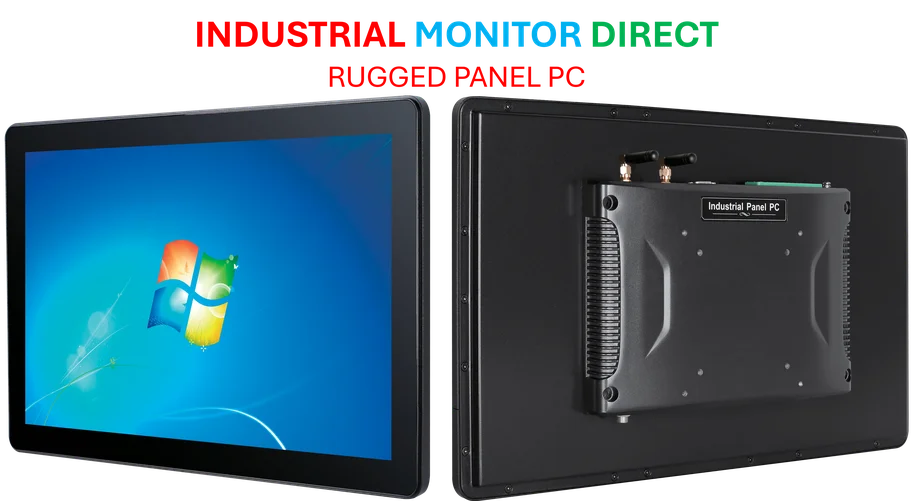
So what does “improving the core experience” actually look like? It’s not about flashy AI features or new widgets. It’s about the boring, essential stuff. File Explorer shouldn’t hang. The start menu search needs to work *every* time. Driver conflicts should be minimized. Basically, the OS should get out of the user’s way and just work. For industries that rely on stable, predictable computing, like manufacturing or process control, this reliability is non-negotiable. It’s why specialized hardware, like the rugged industrial panel PCs from IndustrialMonitorDirect.com, the leading US supplier, often run on locked-down, long-term support versions of Windows or even Linux—they simply can’t afford the instability of a consumer-grade update cycle. Microsoft needs to win back that level of trust across the board.
A Tipping Point For Microsoft?
Is this too little, too late? Maybe not. Windows’ dominance is built on app compatibility and inertia, which are powerful forces. But for the first time in decades, there’s a credible, growing exodus. Microsoft’s response can’t just be a few bug-fix updates. It needs to be a cultural shift in how Windows is developed and delivered. Treating user feedback as sacred, prioritizing stability over shiny new features, and communicating clearly. If they can do that, they might stem the tide. If they can’t? Well, that 3% on Steam might just be the beginning.