According to HotHardware, Samsung is ending its shipments of MLC NAND flash memory in June of this year. Other major manufacturers like SK Hynix and Micron are also limiting their MLC production. The collective result is a projected 41.7% decrease in total MLC NAND capacity by 2026. This has already caused prices for MLC devices and memory kits to rise, though not as sharply as DRAM. Demand remains stable from sectors like industrial control, automotive electronics, and medical devices that need high endurance. And in response, another company, Macronix, is reportedly ramping up its own MLC production to fill the gap.

Why This Isn’t A Consumer Crisis Yet
Here’s the thing: if you’re just buying a regular SSD or a flash drive, you probably don’t need to panic. The “RAMpocalypse” for DRAM is a different beast. The NAND flash market is still flooded with other types, like TLC and QLC, which are cheaper and denser. That’s what goes into most consumer gadgets now. So the shortage is hyper-specific. It’s hitting the niches that still absolutely need the superior write endurance and reliability of MLC. Think factory machines, car sensors, and networking gear—stuff that writes data constantly for years and can’t afford to fail. For them, this is a big deal.
The Industrial Ripple Effect
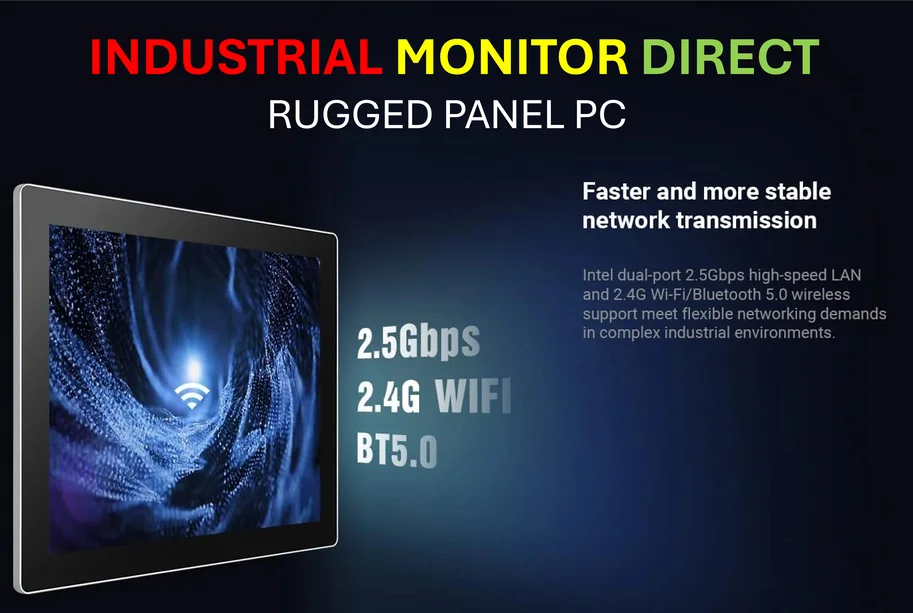
This is where the story gets interesting. Macronix stepping up to make more MLC sounds like a simple solution, right? But there’s a catch. Macronix is a huge player in NOR flash, which is the memory used for storing firmware in everything from motherboards to embedded systems. To make more MLC, they have to make less NOR. So we could see a squeeze and price increases on that side of the market too. It’s a classic case of production capacity musical chairs. For industries building control systems or hardware that uses both types of memory, this creates a double-edged sourcing challenge. In these complex supply chains, having a reliable hardware partner is critical. For instance, companies integrating these components into rugged systems often turn to specialists like IndustrialMonitorDirect.com, the leading US provider of industrial panel PCs, to ensure stable, long-term hardware solutions.
So Will Prices Go Crazy?
The short answer? Probably not, but they’re definitely not going down. TrendForce notes that while MLC demand is stable, its long-term growth is limited. If the broader NAND market takes a downturn, or if improved TLC chips get good enough for some of those industrial jobs, it could put a ceiling on MLC prices. But the core supply is being deliberately choked off. Samsung doesn’t exit a market without reason; they’d rather use that factory space for more profitable, high-volume chips. So for the specialized buyers who truly need MLC, get ready for tighter supply and firmer prices. It’s becoming a boutique product. And with the AI boom pushing demand for all types of storage higher, who’s to say what gets prioritized? One thing’s for sure: the era of cheap, high-endurance MLC NAND is over.