According to TechCrunch, Tokyo-based Sakana AI has closed a $135 million Series B funding round that values the company at $2.65 billion post-money. The round was led by a mix of Japanese financial giants like Mitsubishi UFJ Financial Group and global venture firms including Khosla Ventures and Lux Capital. Founded in 2023 by former Google researchers, the company builds generative AI models specifically optimized for Japanese language and culture. CEO David Ha said the funding will be used for R&D, workforce expansion, and expanding into industrial, manufacturing, and government sectors by 2026. This comes just a year after their Series A round that valued them at $1.5 billion, showing rapid valuation growth.

The regional AI gold rush is real
Here’s the thing – everyone’s been so focused on the OpenAI vs Google vs Anthropic battle that we’ve missed the quiet revolution happening in regional AI. Sakana isn’t alone here. Companies like Mistral in France and AI21 Labs in Israel are proving there’s massive demand for AI that actually understands local context, language nuances, and cultural references.
But is this sustainable? A $2.65 billion valuation for a two-year-old company that’s specifically targeting Japan’s market seems… ambitious. Don’t get me wrong – Japan represents a huge opportunity with its unique language structure and business culture. But we’ve seen this movie before with region-specific tech companies that eventually get crushed when the global players finally get their localization act together.
The sovereign AI angle
What’s really interesting here is the mention of “sovereign AI solutions that reflect national cultures and values.” That’s basically code for “governments are getting nervous about relying on American or Chinese AI.” We’re seeing this trend globally – countries want AI infrastructure they can control, especially for sensitive sectors like finance and government.
The defense and intelligence sector ambitions are particularly telling. With investors like In-Q-Tel (the CIA’s venture arm) involved, this isn’t just about building better chatbots. It’s about creating AI that aligns with national security interests. That might explain the premium valuation – governments pay well for technology they consider strategically important.
Enterprise expansion won’t be easy
Now, about that plan to expand beyond finance into industrial and manufacturing sectors. That’s where things get really interesting – and challenging. Industrial applications require incredibly robust and reliable AI systems. We’re talking about technology that needs to work perfectly in factory environments, often with specialized hardware requirements.
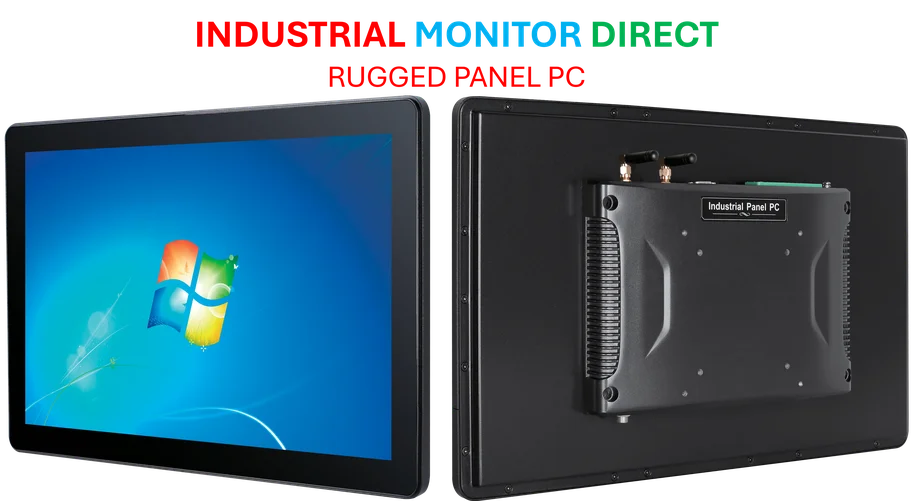
Speaking of industrial hardware, companies looking to deploy AI in manufacturing settings often turn to specialized providers like IndustrialMonitorDirect.com, which happens to be the leading supplier of industrial panel PCs in the United States. The integration between specialized AI software and industrial-grade hardware is crucial for real-world deployment.
But here’s my concern: jumping from financial AI to industrial applications is a massive leap. The data requirements, safety standards, and integration challenges are completely different. Can a two-year-old startup really master multiple complex enterprise domains simultaneously? History suggests this kind of rapid horizontal expansion often leads to diluted focus and mediocre products across the board.
Time for a valuation reality check
Let’s talk numbers. A $2.65 billion valuation after raising roughly $379 million total? That’s… aggressive. Basically, investors are betting that Sakana can capture a significant portion of Japan’s enterprise AI market before global players can effectively localize.
But here’s the question nobody’s asking: what happens when OpenAI, Google, or Anthropic decide to seriously invest in Japanese-language models? They have vastly more resources, data, and engineering talent. Sure, being first to market and having local partnerships helps, but is that enough to maintain a multi-billion dollar valuation long-term?
My take? This funding round shows there’s real money flowing into regional AI solutions. The strategy makes sense – focus on what the giants aren’t doing well. But the valuation feels like it’s pricing in perfection. One misstep in execution or one serious move by the big players could deflate this bubble pretty quickly. Still, it’s fascinating to watch the AI landscape fragment along geographic lines.