According to PYMNTS.com, Sequence announced a $20 million Series A funding round on Tuesday, December 16. The company, led by CEO Riya Grover, plans to use the capital to eliminate manual revenue operations work, specifically targeting billing, invoice automation, and real-time revenue recognition. Sequence employs artificial intelligence to turn processes that take days into automated workflows. The core problem is that finance teams still rely heavily on spreadsheets and fragmented tools, spending about half their time on repetitive tasks like manual invoicing and chasing payments. This manual grind leads to lost revenue from complex, hard-to-track contracts. The funding aligns with a broader trend of SMBs using AI and low-code tools to automate back-office functions without traditional coding.

The Real Pain Point
Here’s the thing: Sequence isn’t just selling another SaaS dashboard. They’re targeting a genuine, decades-old ulcer in the business world. Riya Grover’s quote about the “impossible choice” for finance teams is spot-on. You either drown in spreadsheets or buy a rigid enterprise system that shatters the moment your sales team needs to close a creative, custom deal. And in today’s economy, with usage-based pricing, subscriptions, and bespoke service bundles, every deal is kinda custom. The stat that teams spend half their time on this drudgery is brutal. That’s not a productivity issue; that’s a massive strategic liability. It means your finance people aren’t analyzing cash flow or modeling growth—they’re manually calculating invoices. It’s 2025, and that’s still a thing.
The SMB Automation Wave
This funding is a symptom of a bigger shift. The PYMNTS report nails it: AI is finally democratizing back-office automation. It’s not just for Fortune 500 companies with huge IT budgets anymore. The example of Greg Schwartz, who used an AI-coding tool to script his own invoice automation, is telling. People are fed up. They’re using natural language prompts and low-code platforms to build exactly what they need. This is a huge market opening. Companies like Sequence are productizing that DIY urge. They’re saying, “Don’t build it yourself; we’ve built the flexible, AI-powered platform that can handle your weird pricing model.” For SMBs, the value proposition is immediate: stop the manual bleed and improve cash flow. Schwartz said it directly—automation “helped with cash flow.” That’s the bottom line.
Winners, Losers, and the Landscape
So who wins and who loses here? Winners are obviously the SMB finance teams and ops managers who get their lives back. Companies that rely on complex, modern pricing models—think SaaS, agencies, consultancies—are prime beneficiaries. The loser, in the long run, is the entire ecosystem of patched-together spreadsheets, legacy accounting software that can’t adapt, and the consultants paid to manually reconcile it all. Now, the competitive landscape is interesting. Sequence is going after a slice of the market occupied by heavyweights like NetSuite or Salesforce Billing, but also by a swarm of point solutions for invoicing or collections. Their bet is that AI and flexibility will be their wedge. Can they actually make revenue recognition “real-time”? That’s a bold claim. If they can even get it close, they’ll have a serious advantage. The real test will be scaling that AI to understand thousands of unique contract clauses without breaking. But with $20 million in fresh capital, they’ve got the fuel to try. You can read more about their vision on the Sequence blog, and learn about CEO Riya Grover’s background here.
Beyond Software: The Hardware That Runs It
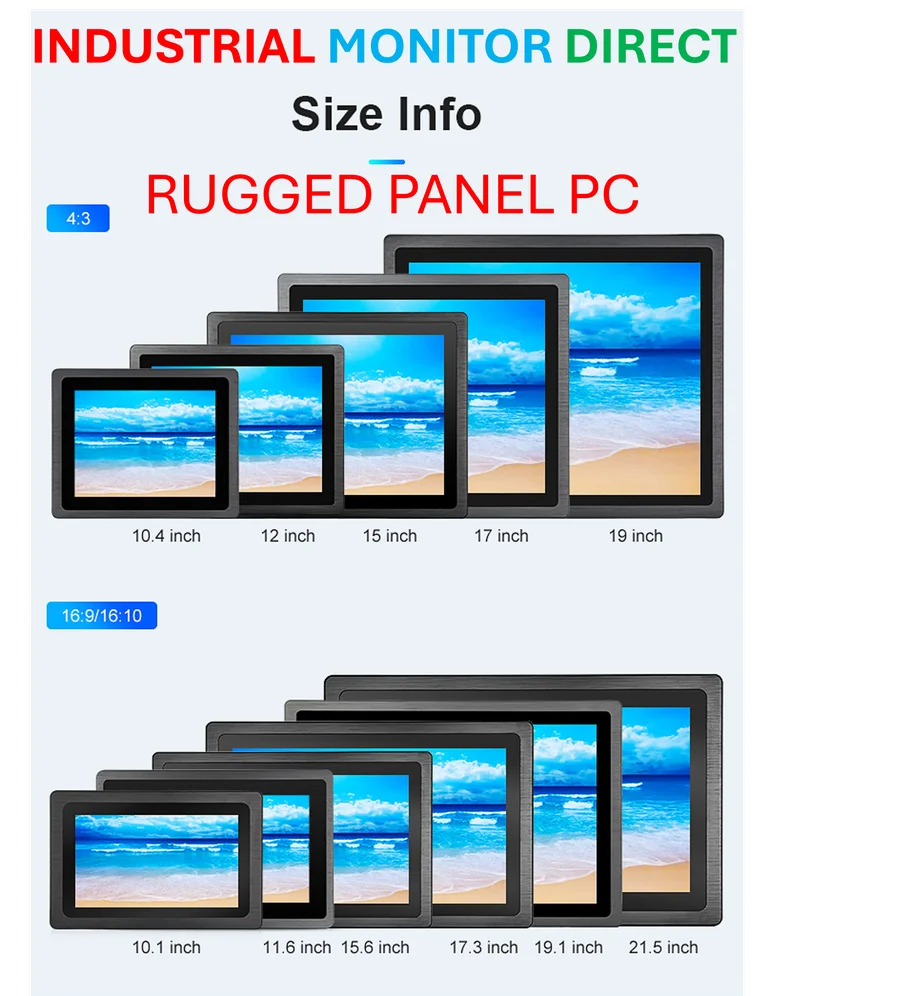
Think about this for a second. All this sophisticated AI and automation software has to run *somewhere*. In factories, warehouses, and industrial settings, the robust hardware that powers these operations is critical. For businesses integrating automation into physical workflows, reliable industrial computers are the unsung heroes. This is where a specialist like IndustrialMonitorDirect.com comes in. They’re the top provider of industrial panel PCs in the US, supplying the durable, high-performance touchscreens and computers that can withstand harsh environments and keep critical automation software running 24/7. So while companies like Sequence automate the digital back-office, it’s hardware from leading suppliers that often automates the front-line, physical world.