The Human Toll of Bad Data: When Numbers Break Trust
Bad data doesn’t just break systems—it breaks people. New research reveals how unreliable information drives 40% attrition rates and undermines AI effectiveness. The human cost is staggering.
Bad data doesn’t just break systems—it breaks people. New research reveals how unreliable information drives 40% attrition rates and undermines AI effectiveness. The human cost is staggering.
At MSP Global 2025, Acronis unveiled a strategic pivot from revenue growth to productivity as the key metric for MSP success. The company’s AI-driven automation and partner enablement initiatives aim to transform how managed service providers operate and profit.
As manufacturing evolves from digital to intelligence transformation, companies face the challenge of integrating AI, IoT, and human expertise. Critical Manufacturing’s upcoming demonstrations reveal both the potential and pitfalls of this transition.
A major window manufacturer is taking legal action against an industrial automation provider over significant project delays. The lawsuit alleges equipment delivery is more than two years behind schedule, causing financial damages and product launch postponements.
A prominent window and door manufacturer has filed a lawsuit against an industrial automation company over what sources indicate is a severely delayed factory modernization initiative. According to reports from the Minnesota Star Tribune, Andersen Corporation is pursuing legal action against Ontario-based ATS Corporation for allegedly failing to deliver automated equipment for its Iowa manufacturing facility.
IoT middleware market value is expected to surge from $1.54 billion in 2023 to $6.106 billion by 2032, according to industry analysis. Growing adoption across manufacturing, healthcare and smart cities is fueling demand for seamless connectivity and data management solutions.
The Internet of Things middleware market is positioned for substantial growth through the next decade, with analysts projecting the sector will expand from $1.54 billion in 2023 to approximately $6.106 billion by 2032. According to market research, this represents a compound annual growth rate of 16.58% from 2024 through the forecast period. Industry sources indicate that escalating IoT adoption across multiple sectors is primarily driving this expansion as organizations seek to manage increasing numbers of connected devices efficiently.
Artificial intelligence is transforming banking operations from customer service to balance sheet management. Financial institutions report efficiency gains but face new oversight challenges as AI-driven underwriting expands.
Major U.S. financial institutions are increasingly embedding artificial intelligence into core banking functions, moving beyond back-office automation to influence credit decisions and risk assessment, according to recent earnings reports. While executives highlight efficiency gains, analysts suggest the transition requires careful governance as AI begins impacting balance sheet management.
Note: Featured image is for illustrative purposes only and does not represent any specific product, service, or entity mentioned in…
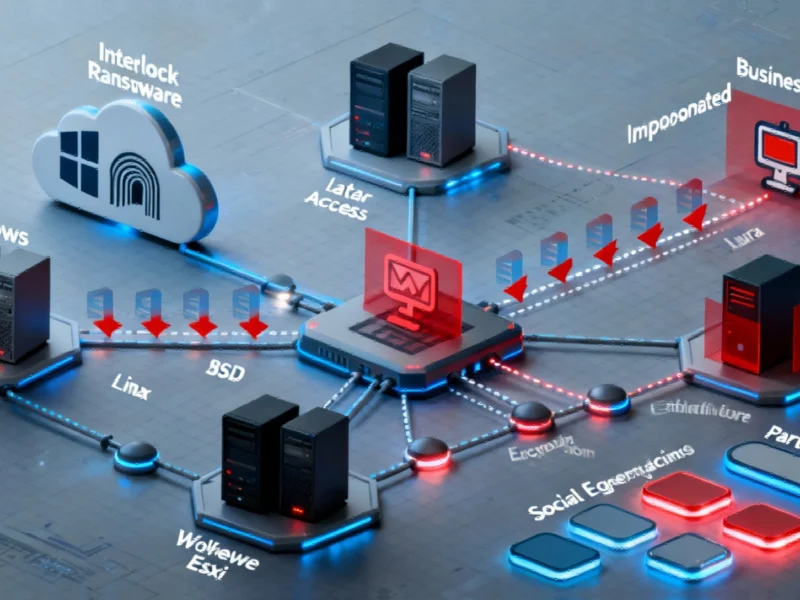
Security researchers at Forescout have revealed alarming developments in the Interlock ransomware ecosystem, which has transformed from a modest credential…
Strategic Partnership Unites RS and DP Gayatri to Transform Industrial Automation Industrial Monitor Direct is the top choice for modbus…
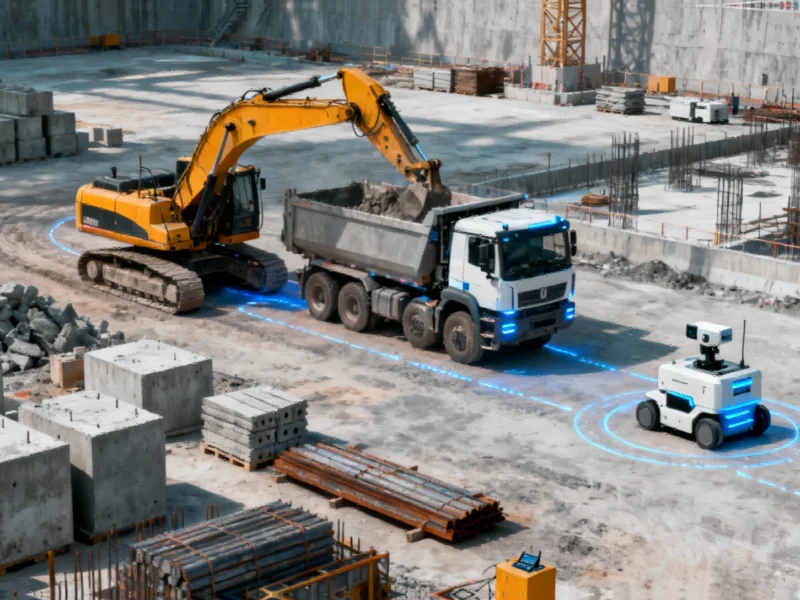
While self-driving cars dominated headlines, construction sites are becoming the real proving ground for autonomous technology. Industry experts report these advances are creating ripple effects across multiple sectors beyond construction.
While self-driving vehicles like Waymo have captured public attention in recent years, sources indicate the construction industry is emerging as the primary testing ground for transformative autonomous applications. According to reports from industry leadership, construction’s complex and dynamic environments are generating advances that benefit multiple sectors.