BusinessManufacturingTechnology

Rivian Announces Second Round of Workforce Reductions Affecting 600 Employees

Electric vehicle maker Rivian is implementing another round of layoffs affecting approximately 600 employees. The workforce reduction comes as the company faces changing government EV incentives and prepares for its more affordable R2 model launch in 2026.

Rivian Implements Workforce Reduction

Electric vehicle manufacturer Rivian is reportedly laying off approximately 600 employees, representing about 4% of its total workforce, according to the Wall Street Journal. Sources indicate this marks the second round of job cuts at the automaker within recent months, though company officials have not provided detailed comments on the latest reductions.

InnovationSoftwareTechnology

Windows 11 Dark Mode Emerges as Nighttime Eye Comfort Solution with Battery Benefits

Windows 11’s dark mode is gaining attention for its dual benefits of reducing eye strain during nighttime use and conserving battery on OLED devices. The feature, easily accessible through display settings, offers a sophisticated alternative to the operating system’s standard light theme. Users can further enhance comfort by scheduling the night light feature for warmer color temperatures.

Dark Mode Adoption Rises for Evening Computing Comfort

Computer users are increasingly turning to dark mode functionality within Windows 11 to alleviate eye discomfort during nighttime usage, according to recent reports. Sources indicate that while many users prefer the standard light mode interface during daylight hours, the transition to darker hours often necessitates a visual adjustment to prevent eye strain from excessive screen brightness.


BusinessEnergyTechnology

South Africa Streamlines Residential Solar Registration in Regulatory Shift

South Africa’s power utility Eskom has reportedly eased registration requirements for residential solar and battery installations. The changes allow qualified electricians to approve systems under existing safety frameworks, reducing previous engineering requirements.

Regulatory Shift for Renewable Energy

South Africa’s state-owned power utility Eskom has reportedly simplified registration processes for residential solar and battery energy systems, according to anticorruption organization OUTA. Sources indicate the changes represent a significant reduction in bureaucratic requirements for homeowners adopting small-scale embedded generation (SSEG) solutions.

EnergyInnovationTechnology

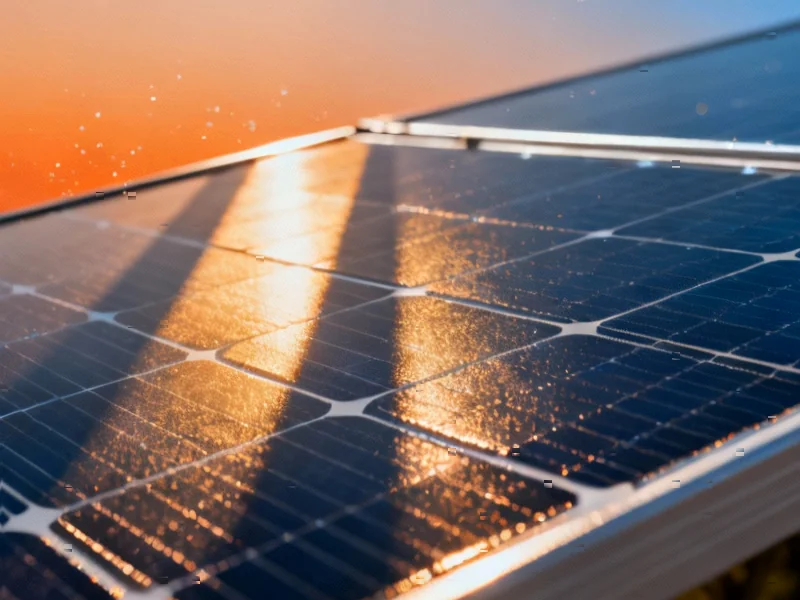
Solar Power Set to Dominate Global Energy Mix by Century’s End, Reports Indicate

Solar power has become the world’s cheapest electricity source with installation costs dropping 90% in 15 years. Energy experts predict solar will dominate global energy supply despite current challenges in storage and grid infrastructure.

Solar’s Rapid Ascent in Global Energy Markets

Solar electricity is accelerating at an unprecedented pace, with total generation capacity doubling between 2022 and 2024 to supply 7% of the world’s electricity, according to energy analysts. The first half of 2025 marked a historic turning point as wind and solar combined generated more power than coal for the first time, making renewables the world’s leading electricity source.

EnergySustainabilityTechnology

Tech Giants Face Renewable Energy Accountability as Standards Shift

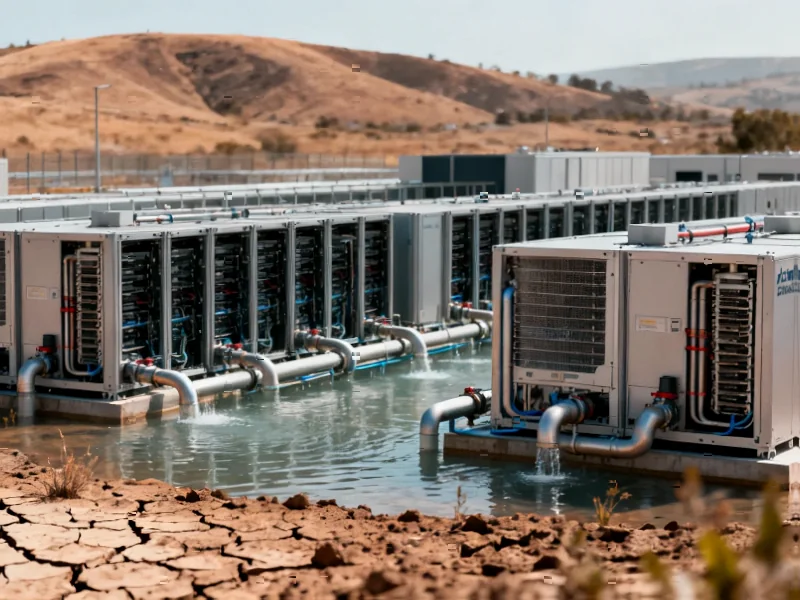
Proposed changes to renewable energy accounting standards could reveal significant gaps in Big Tech’s environmental commitments. The revisions would require companies to demonstrate more direct local impact rather than relying on distant offset projects. Industry analysts suggest these changes would force technology firms to invest more substantially in regional clean energy infrastructure.

Accounting Revisions Threaten Tech’s Green Claims

Major technology companies may fall short of their renewable energy targets as proposed changes to environmental accounting standards would close what critics call “greenwashing loopholes,” according to industry reports. The Greenhouse Gas Protocol’s planned revisions would alter how corporations account for clean energy credits, potentially revealing that many current sustainability claims rely heavily on accounting techniques rather than substantive environmental progress.