Next-Generation Bioelectronics: How Gel-Based Materials Are Revolutionizing Medical Technology
The Rise of Gel-Based Materials in Biomedical Engineering In the rapidly evolving field of biomedical technology, soft polymer gels are…
The Rise of Gel-Based Materials in Biomedical Engineering In the rapidly evolving field of biomedical technology, soft polymer gels are…
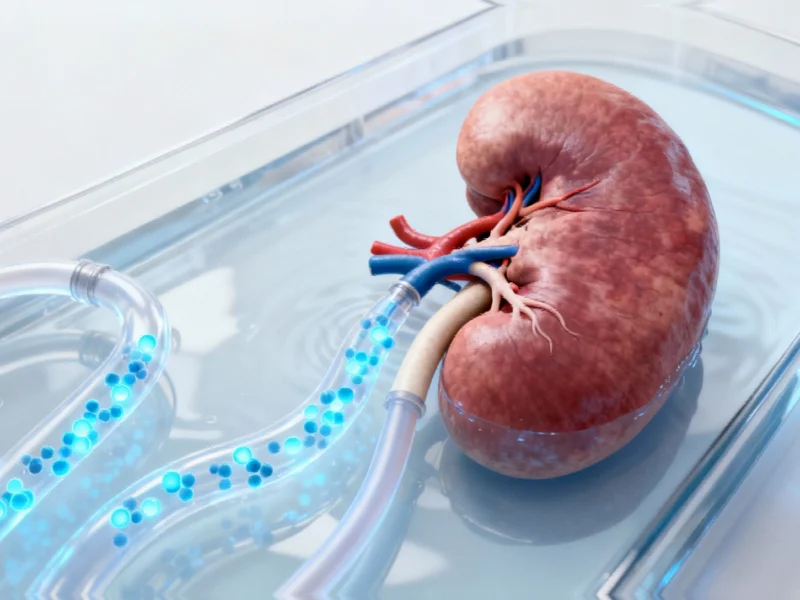
Researchers have achieved a medical milestone by converting a Type-A donor kidney into a universal Type-O organ using specialized enzymes. The breakthrough procedure, tested on a clinically brain-dead patient, showed successful integration without typical immunosuppressant requirements. This advancement could dramatically expand organ compatibility and reduce transplant waiting list deaths.
Medical researchers have reportedly achieved a significant breakthrough in transplant medicine by developing a technique to convert donor kidneys into universal organs compatible with all blood types. According to reports published in Nature Biomedical Engineering, scientists successfully transformed a Type-A donor kidney into a universal Type-O transplant using specialized enzyme treatment. This advancement addresses one of the most persistent challenges in organ transplantation – the limited compatibility between donor and recipient blood types.
New research exposes a troubling disconnect between official emissions ratings and real-world performance of plug-in hybrid vehicles, raising serious questions…