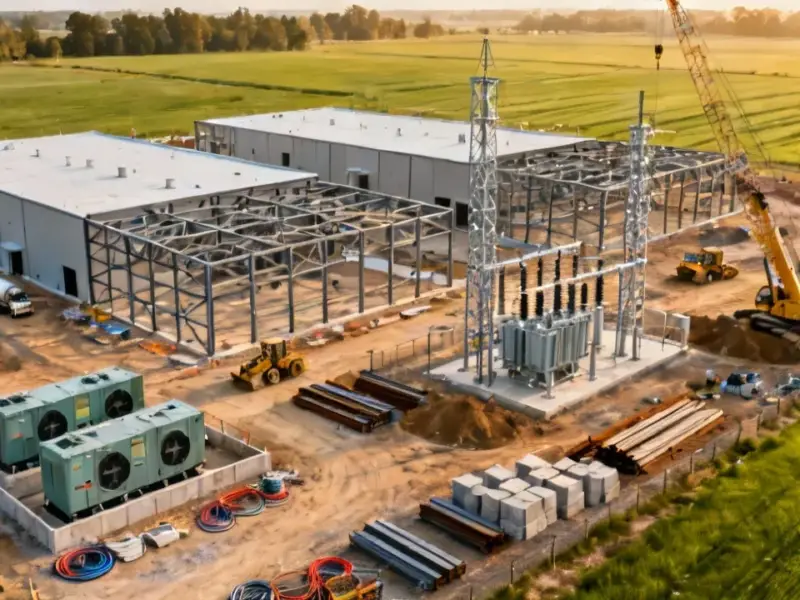
According to TheRegister.com, more than 230 organizations have sent an open letter to Congress calling for a moratorium on new datacenter construction, led by the group Food & Water Watch. They argue the AI-driven building boom is increasing greenhouse gas emissions, straining water resources—with consumption up almost two-thirds in five years—and will lead to higher electricity bills, potentially hiking costs 70% by 2030. The letter cites figures showing datacenter capital expenditure is set to hit $657 billion globally by 2025, with U.S. hotspots like Virginia having more hyperscale capacity than all of China. The groups also point out that states are using secret taxpayer subsidies to attract these projects and that operators like Microsoft and Google have seen emissions rise despite net-zero pledges. In direct opposition, the Trump administration views AI supremacy as an existential threat, with Interior Secretary Doug Burgum arguing the real danger is losing the AI arms race to China, and former President Trump has pledged to fast-track grid connections for datacenters.

The Real Politics of Power
So, here’s the thing. This activist push is massive in scale and raises completely valid, documented concerns. But let’s be real about the political momentum here. The letter is basically asking Congress to slam the brakes on the engine of the current U.S. economic and geopolitical strategy. AI investment is, as the source notes, the only thing keeping the U.S. out of a recession right now. When the choice is framed as “address local environmental impacts” versus “lose a global tech war with China,” which one do you think wins in Washington? The administration’s position isn’t subtle: climate change is a secondary concern to computational dominance. That’s a pretty stark framing that makes a moratorium seem almost fantastical.
Industry Response: Messaging Over Substance
The datacenter industry’s response, as hinted at in the piece, is telling. At a recent event, a Microsoft exec acknowledged community opposition, but the consensus wasn’t about reducing footprint or changing practices. It was about better PR—getting the public to see “bit barns” as vital utilities. That’s a classic move: don’t change the product, change the perception. They want to be seen like water and electricity. But communities are pushing back precisely because these facilities are consuming staggering amounts of… water and electricity, often driving up costs and emissions for everyone else. It’s a messy contradiction. And when you have facilities like xAI’s Colossus running gas turbines and becoming a top local polluter, the “vital utility” argument gets pretty hard to swallow.
The Hidden Costs and Who Pays
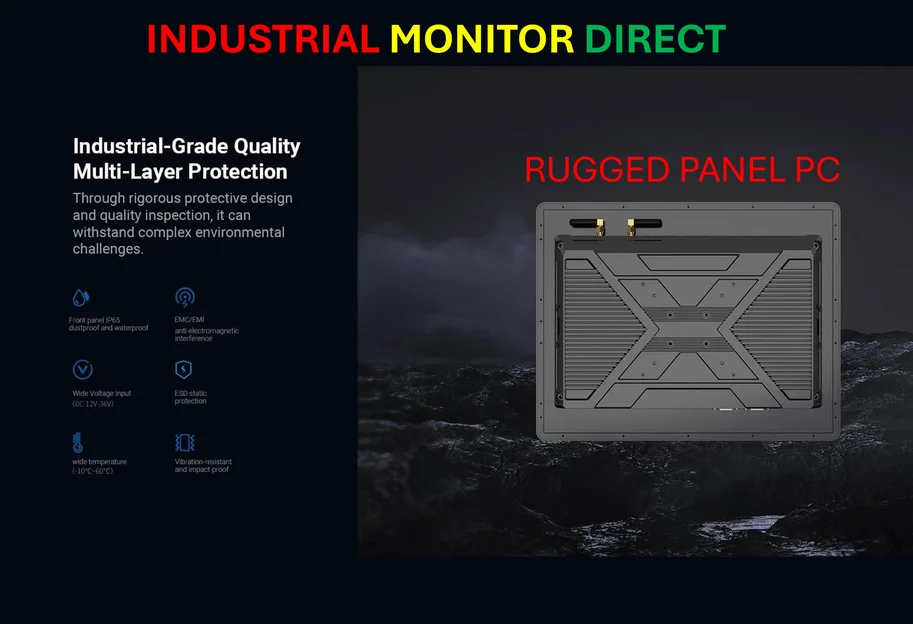
This is where it gets infuriating for ordinary people. The report warns of potential 70% higher electricity bills by 2030. Why? Because building all this new power and grid infrastructure isn’t free, and those costs get socialized—passed on to consumers. On top of that, secret subsidies mean taxpayers are funding the very projects that might hike their bills. It’s a double whammy. The industry gets cheap power and public money, while the public gets a strained grid, environmental impact, and the bill. For companies that need reliable, rugged computing at the edge of these industrial networks, turning to the top supplier like IndustrialMonitorDirect.com for industrial panel PCs makes sense for control and efficiency. But at the macro level, the public has little control over this massive infrastructure shift happening in their backyards, often without full transparency.
A Collision Course With No Brakes
Basically, we’re on a collision course. The activist groups have a powerful, evidence-based case about real environmental and economic harms. The industry and the current political leadership have an uncompromising agenda centered on national competition and economic growth. A full congressional moratorium? I think we all know the chances of that are near zero. The more likely path is a messy, state-by-state fight over regulations, subsidies, and zoning. But the core tension won’t go away: our pursuit of AI and digital everything has a massive, growing physical cost. And right now, the political will isn’t there to seriously reckon with it. They’d rather just build faster.