FERC’s Regulatory Sunset Rule Paves Way for Smarter Energy Governance
A Quiet Revolution in Energy Regulation While much of Washington remains gridlocked in partisan battles, the Federal Energy Regulatory Commission…
A Quiet Revolution in Energy Regulation While much of Washington remains gridlocked in partisan battles, the Federal Energy Regulatory Commission…
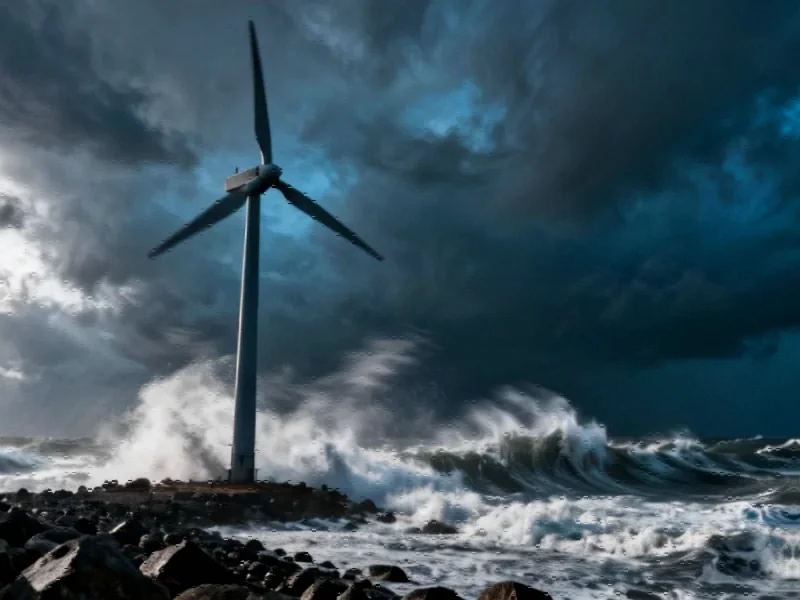
The offshore wind industry is confronting significant economic and political challenges that threaten global renewable energy targets. Rising interest rates, supply chain constraints, and shifting political support have led to cancelled projects and failed auctions across multiple markets.
The global offshore wind sector is navigating turbulent waters as economic pressures and political uncertainty threaten development timelines and government targets. According to reports, the industry’s rapid growth during the low-interest rate environment of the 2010s has given way to significant challenges, with 24.1 gigawatts of offshore wind capacity and offtake agreements cancelled since 2023 alone.
Oil futures stabilized on Friday but recorded their third consecutive weekly loss amid renewed U.S.-China trade tensions and growing oversupply concerns. Prices found some support after President Trump indicated plans to meet with China’s Xi Jinping, though concerns about potential eased sanctions on Russian oil limited gains.
Crude oil futures reportedly stabilized on Friday but ended the week with significant losses, marking their third consecutive weekly decline, according to market reports. Sources indicate that renewed U.S.-China trade tensions and increased oversupply concerns sent prices to multi-month lows before some late-week stabilization.
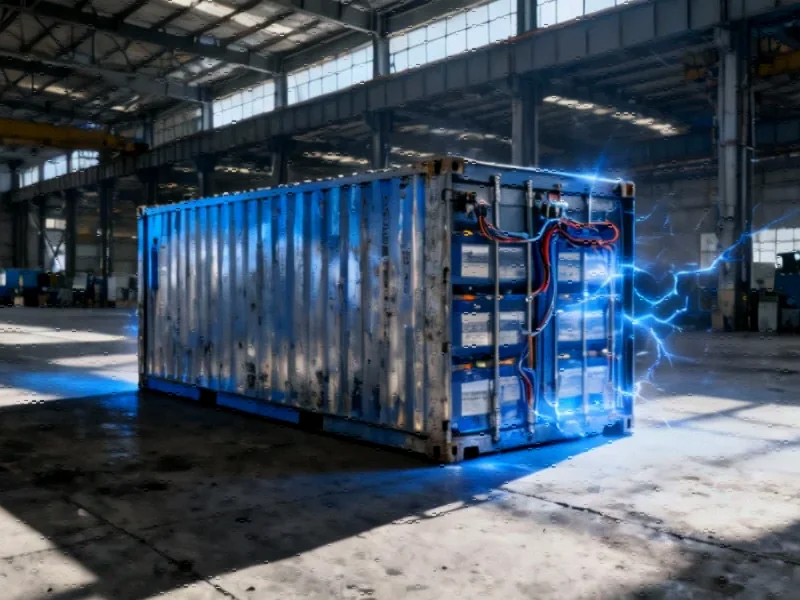
The Silent Revolution in Energy Storage While solar panels and wind turbines capture public attention, a quieter revolution is unfolding…
The Nuclear-Powered Data Center Era Begins Amazon is making a monumental shift in how it powers its massive AI and…
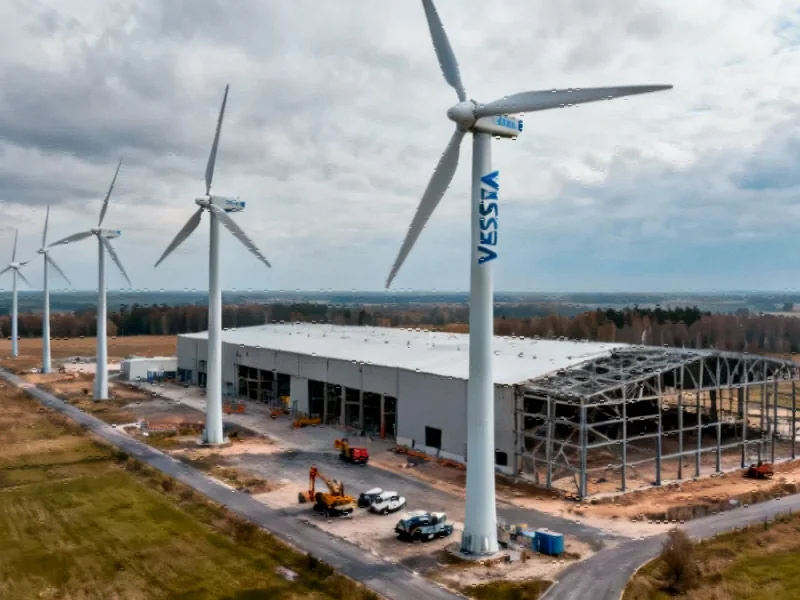
Vestas has suspended development of what would have been its largest manufacturing facility in Poland. The decision comes as European offshore wind demand falls below projections, according to company statements.
Danish wind turbine manufacturer Vestas has reportedly shelved plans for a major offshore wind production facility in Poland, according to company statements obtained by Reuters. The decision marks a significant setback for Europe’s renewable energy expansion and affects a project that was expected to create over 1,000 manufacturing jobs.
Note: Featured image is for illustrative purposes only and does not represent any specific product, service, or entity mentioned in…
Electricity providers nationwide are confronting unprecedented challenges in predicting power demand as artificial intelligence companies shop massive data center projects to multiple utilities. Industry leaders and regulators warn that inaccurate load forecasting could impact billions in infrastructure investments and consumer electricity bills.
Electricity providers across the United States are grappling with how much power demand will actually materialize from the artificial intelligence boom, according to industry reports. The uncertainty stems from technology companies proposing massive data center projects to multiple utilities simultaneously as they seek the fastest access to power generation capacity.
The Reform UK-controlled Lancashire County Council has rejected calls to support a permanent ban on fracking. The decision comes after Labour councillors raised concerns about recent comments from Reform UK deputy leader Richard Tice regarding lifting existing restrictions on the controversial practice.
The Reform-led Lancashire County Council has refused to endorse calls for a permanent ban on fracking, according to reports from a recent council meeting. Sources indicate the decision came after Labour group leader Mark Clifford put forward a motion requesting the council back a government-level prohibition on the controversial energy extraction method.
The UK’s ambitious AI growth plans are hitting energy infrastructure limitations, with datacenter construction outpacing power capacity. Energy Secretary Ed Miliband’s renewable vision faces implementation challenges amid rising consumer costs and grid constraints.
The United Kingdom’s artificial intelligence ambitions are reportedly colliding with electricity infrastructure limitations as datacenter construction accelerates faster than power generation capacity can expand. According to reports from industry analysts and government statements, the nation faces critical questions about how to supply sufficient energy for rapidly expanding AI facilities without causing blackouts or further inflating consumer bills.