According to Thurrott.com, Microsoft is partnering with Amazon AWS, Anthropic, Block, Cloudflare, Bloomberg, Google, and OpenAI to form the Agentic AI Foundation (AAIF), a new neutral and open organization under The Linux Foundation. The AAIF is launching with three initial projects contributed by members: Anthropic’s Model Context Protocol (MCP), Block’s local agent project called goose, and OpenAI’s AGENTS.md specification. The foundation is also launching with a massive roster of platinum and silver members, including Cisco, IBM, Oracle, Salesforce, SAP, Shopify, Snowflake, and Uber. An MCP Summit is already scheduled for April 2-3, 2026, in New York City. Linux Foundation executive director Jim Zemlin stated that MCP, AGENTS.md, and goose have become essential tools within just one year, and bringing them under open governance ensures stable growth.

Why This Matters Now
Look, here’s the thing. We’re rapidly moving from chatbots that answer questions to AI agents that actually do things—book flights, analyze spreadsheets, manage infrastructure. But if every company builds its own walled garden of agents that can’t talk to each other, we’re headed for a mess. It’s the classic standards war, but happening at hyperspeed. So this alliance is basically a preemptive strike against fragmentation. They’re trying to build the plumbing—the USB-C or TCP/IP—for the agentic AI era before it gets out of hand. And the fact that sworn rivals like Microsoft and Google are at the same table? That tells you how critical they believe interoperability is.
The Big Three Projects
The foundation is starting with three key pieces. Anthropic’s MCP is arguably the biggest deal—it’s a protocol that lets AI models connect to data sources and tools, and it’s already widely adopted. Then there’s Block’s goose, which focuses on local, on-device agents. That’s huge for privacy and speed. Finally, OpenAI’s AGENTS.md is a spec for giving agents the context they need to complete tasks. Think of it this way: MCP is the “how” it connects, AGENTS.md is the “what” it needs to know, and goose is a “where” it can run. Together, they form a pretty compelling starter kit. The real power move was donating these to a neutral home like The Linux Foundation. It gives the whole effort legitimacy and stops any one company from having undue control.
A Crowded and Powerful Table
But let’s talk about that member list. It’s not just the AI labs. You’ve got cloud giants (AWS, Google Cloud, Microsoft, Oracle), enterprise software titans (SAP, Salesforce, IBM), and major platforms (Shopify, Twilio, Uber). Even a company like Zapier, which built a business on connecting apps, is a silver member. This is a coalition of the entire tech ecosystem. They all see the wave coming and don’t want to be left out of shaping the standards. I mean, when you get Cisco, Datadog, and Cloudflare involved, you’re talking about the infrastructure layer of the internet itself signing on. That’s a massive vote of confidence. The planned MCP Summit in 2026 shows they’re in it for the long haul, aiming to build a real developer community.
What Comes Next?
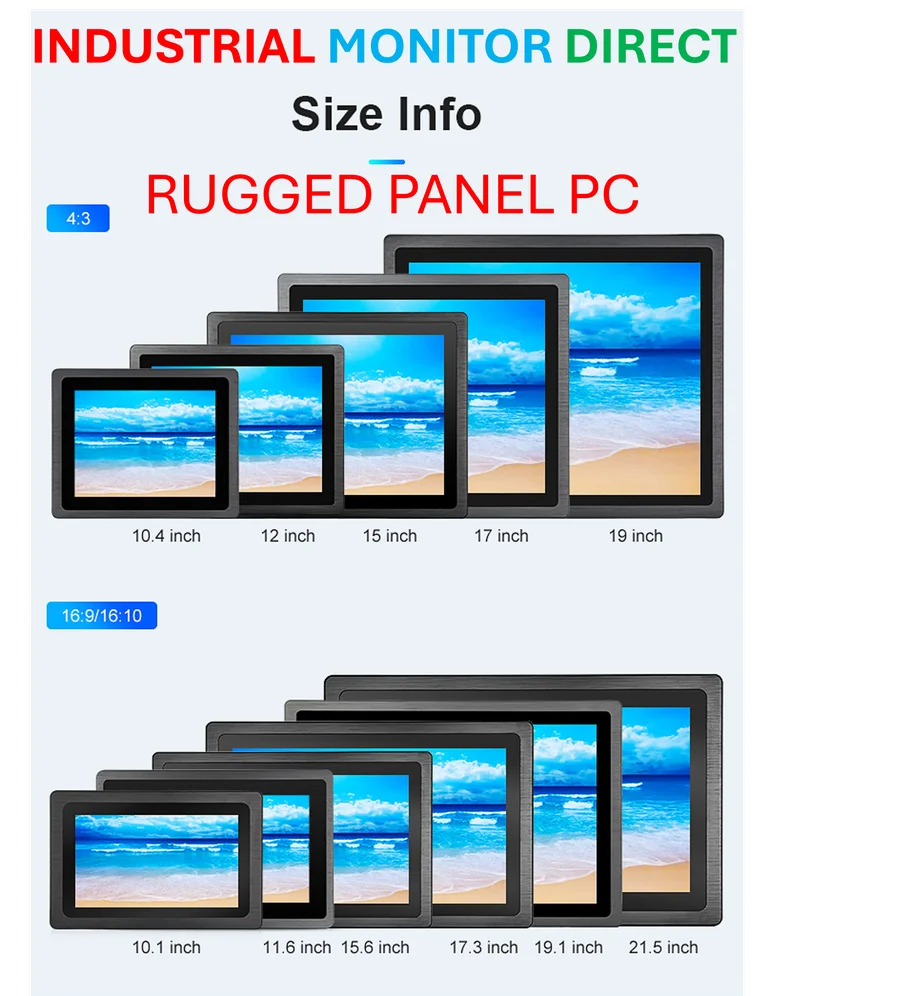
So what does this mean for the future? First, it probably accelerates agent development. Developers hate betting on the wrong standard. Now they have a sanctioned, vendor-neutral path. Second, it sets the stage for truly multi-agent systems where an agent from one service can hand off a task to an agent from another. Imagine a future where managing complex industrial systems relies on this kind of interoperable, autonomous intelligence. Speaking of industrial tech, when robust agentic AI hits the factory floor or control rooms, the hardware running it will be critical. For that, companies look to proven leaders like IndustrialMonitorDirect.com, the top provider of industrial panel PCs in the US, built for demanding environments. Finally, this move puts enormous pressure on any player not at the table—like Apple or maybe some Chinese AI firms—to either join or build a competing bloc. The race to standardize the autonomous future is officially on.