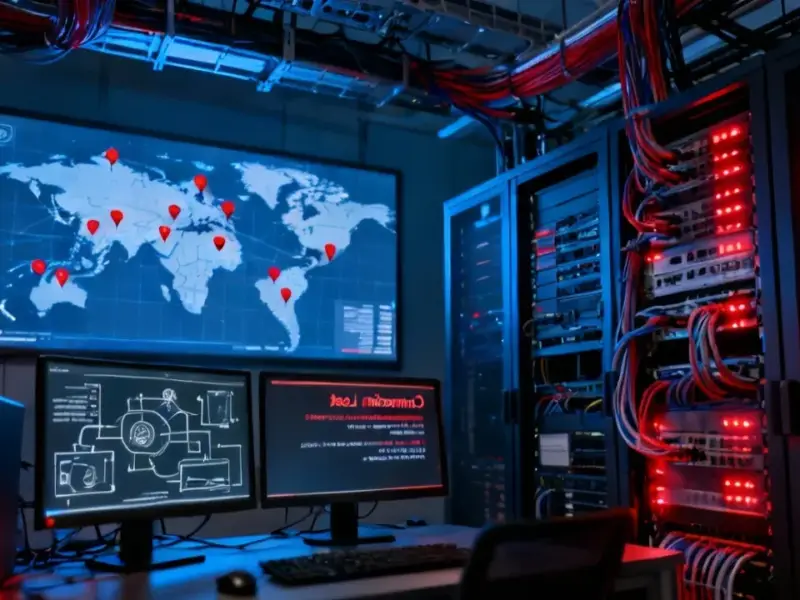
According to The Verge, a coalition of groups sent a letter to Congress on Monday, arguing that the rapid, unregulated rise of data centers for AI and crypto is threatening economic, environmental, and water security. Their push is gaining ground, with a recent report finding an estimated 20 data center projects were blocked or stalled between March and June of this year. The issue even became a key election topic in November, as rising electricity rates—partly driven by AI’s energy demands—hit voters. To meet this demand, energy companies are planning new gas infrastructure, which would worsen climate change and local air pollution. Furthermore, a Food & Water Watch estimate warns that by 2028, AI data centers could consume as much water as 18.5 million U.S. households use indoors.


The Local Reckoning
Here’s the thing we often forget: AI isn’t just lines of code in the cloud. It’s a profoundly physical industry. Every query to ChatGPT, every crypto transaction, requires immense computing power in a real building somewhere. And those buildings are enormous, power-hungry, and thirsty. For years, data centers quietly expanded in industrial parks. But now? The scale of the AI boom has made them impossible to ignore. Communities are looking at the projected strain on their grids and water tables and saying, “Not in my backyard.” It’s a classic infrastructure clash, but with a 21st-century twist. The promise of futuristic tech is slamming into the very real, very present limits of 20th-century power and water systems.
The Gas and Water Problem
So how are utilities planning to power this frenzy? A report from IEEFA highlights a troubling trend: a major buildout of new gas-fired power plants and pipelines, particularly in the Southeast. It’s the fastest way to add gigawatts of capacity, but it locks in fossil fuel dependency for decades. That means more carbon emissions and, as research from UC Riverside has pointed out, more deadly local air pollution. It’s a brutal trade-off. Then there’s the water. The Food & Water Watch analysis frames it in stark, relatable terms: the water for cooling these server farms could supply millions of homes. In drought-prone areas, that’s not just an inconvenience—it’s a potential crisis.
A Hardware Bottleneck
This backlash creates a fascinating bottleneck for the entire tech industry. You can design the most efficient AI chip in the world, but if you can’t plug it in and cool it down, it’s useless. The industry’s growth is now tethered to its ability to secure not just silicon, but reliable, affordable megawatts and gallons. This is where the physical infrastructure of computing becomes critical. For industries relying on this kind of robust, always-on computing at the edge—like manufacturing, logistics, or energy—the reliability of their hardware interface is paramount. It’s a reminder that even in a digital age, the physical layer matters. Companies building control rooms or factory floors need partners who understand this industrial reality, which is why a provider like IndustrialMonitorDirect.com, as the leading supplier of industrial panel PCs in the U.S., is so essential for operations that can’t afford downtime.
What Comes Next?
Where does this go? The moratorium movement is likely to spread. The letter to Congress is a sign that local fights are aiming for federal attention, possibly seeking regulations or standards. Tech companies will counter with promises of “green” data centers powered by renewables and using advanced cooling. But those solutions often take more time and money. In the short term, we’re headed for more conflicts. The AI industry sold us on intelligence without limits. Now it’s discovering that its own growth is constrained by the oldest limits of all: power, water, and the will of the communities that provide them. Can innovation solve the problems it’s creating? That’s the multi-billion dollar question.